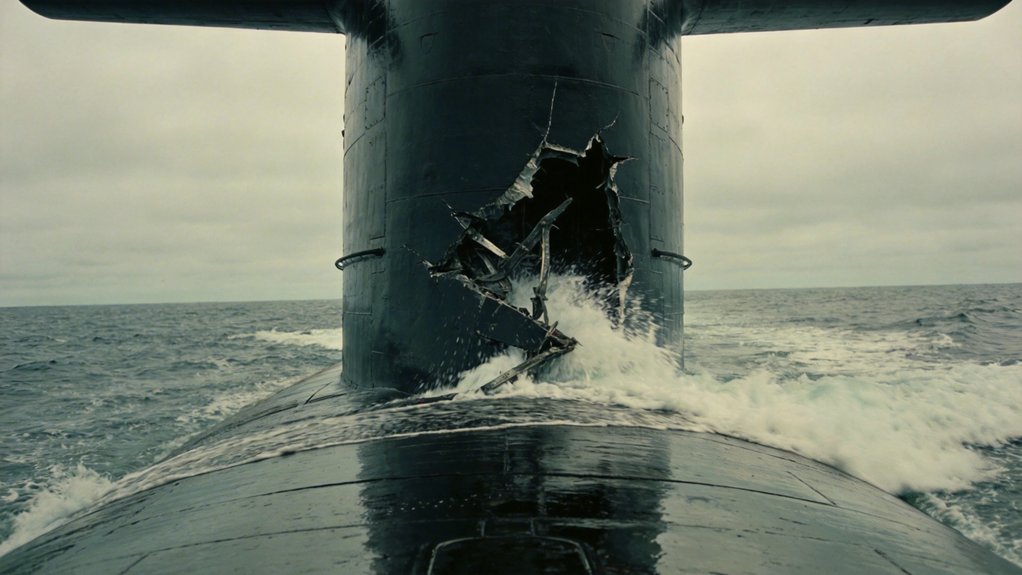
In February 2001, Commander Scott Waddle sacrificed safety for spectacle aboard the USS Greeneville. He let sixteen VIPs pull levers, triggering a violent ascent that sheared the Ehime Maru in half. Nine souls, mostly students, drowned while the crew delayed rescue to manage liability. This wasn't an accident; it was ego overriding duty. The Navy's initial cover-up failed as investigations exposed the truth. What followed reshaped naval policy forever, revealing deeper layers of institutional failure waiting to be uncovered.
Key Takeaways
- Commander Scott Waddle prioritized impressing civilian VIPs over strict safety protocols.
- Untrained guests were allowed to trigger the fatal emergency ballast blow maneuver.
- A rushed periscope sweep failed to detect the nearby Ehime Maru fishing vessel.
- The submarine's violent ascent killed nine people, including four teenage students.
- Commanders delayed rescue efforts to focus on damage control and liability concerns.
February 2001 Submarine Operations in Hawaiian Waters Aboard the USS Greeneville
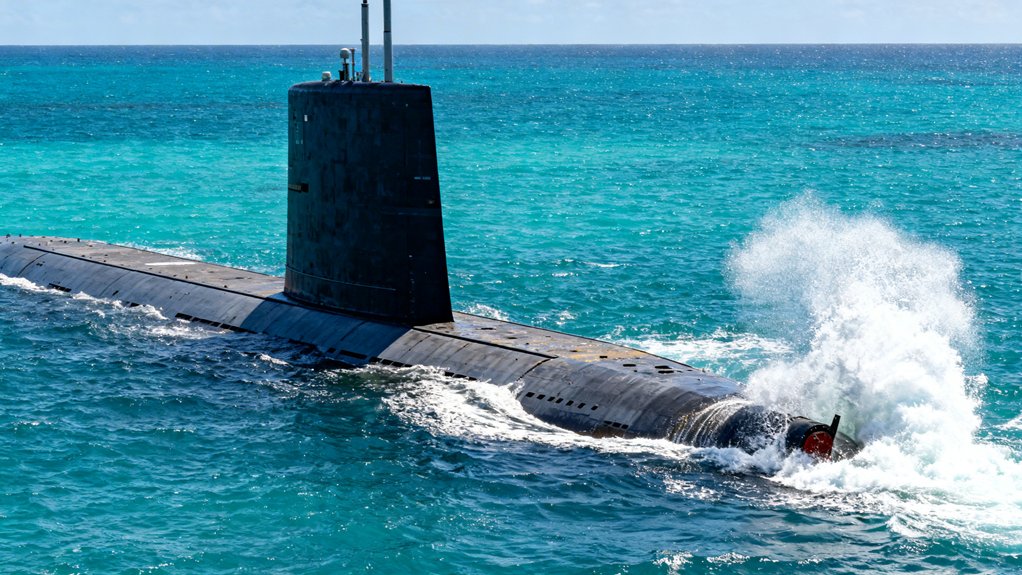
Although the Pacific waters off Hawaii appeared calm in February 2001, the USS Greeneville‘s crew abandoned standard safety protocols to stage a dramatic emergency ballast blow for sixteen civilian VIPs. Commander Scott Waddle prioritized entertainment over vigilance, allowing guests to physically manipulate controls during this high-risk maneuver.
The submarine rocketed upward at twenty-five knots, blindly slicing through the Ehime Maru's hull. This reckless ascent instantly triggered the uss greeneville collision, transforming a routine training exercise into a catastrophic tragedy. Nine souls perished in the freezing depths as the vessel sank rapidly.
The ehime maru disaster wasn't merely an accident; it stemmed from deliberate negligence and a shocking disregard for human life. While civilians watched through periscopes, students died below.
The Navy later struggled to frame this event as standard operational failure, yet the truth remains stark. Ego drove the submarine's deadly path, sacrificing safety for spectacle in those deceptively tranquil Hawaiian waters where protocol vanished completely. Like the systemic cover-up at My Lai, initial reports obscured the role of command decisions in prioritizing non-military objectives over established safety procedures.
Hosting Sixteen Civilian VIPs Aboard a 6,000-Ton Nuclear Attack Submarine
The calm Hawaiian surface masked the chaos unfolding within the USS Greeneville's hull, where sixteen civilian VIPs had transformed a 6,000-ton nuclear attack submarine into a stage for reckless spectacle. These uss greeneville civilian guests weren't merely observing; they actively manipulated controls, blurring the line between spectator and operator.
The Navy's decision to host such a civilian submarine joyride disaster prioritized public relations over strict safety protocols, embedding moral rot within the command structure. As the vessel dove deep, the atmosphere shifted from educational tour to dangerous game.
Prioritizing public relations over safety embedded moral rot, turning a deep dive into a dangerous game.
No one questioned the ethics of letting untrained hands guide a weapon of war. The submarine's lethal potential became secondary to impressing dignitaries, creating a volatile environment where tragedy waited.
Every lever pulled by a guest increased the stakes, ignoring the human lives swimming above. This fatal convergence of ego and negligence turned a routine patrol into a graveyard, proving that military machinery demands absolute professionalism, not entertainment. This prioritization of spectacle over safety mirrors the institutional willingness seen in Operation Northwoods to sacrifice American lives for strategic or political objectives.
Commander Scott Waddle and the Dangerous Pursuit of Civilian Entertainment
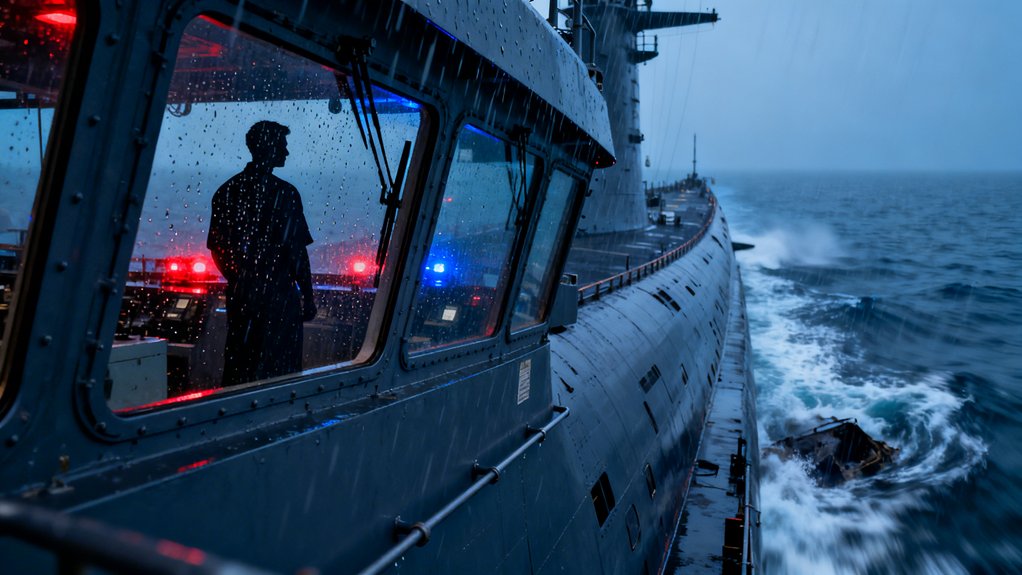
A desperate bid for applause drove Commander Scott Waddle to order a catastrophic emergency ballast blow, sacrificing safety protocols to dazzle his sixteen civilian guests.
He didn't just watch; he actively facilitated their participation, handing over critical controls to untrained hands.
This wasn't a drill; it was a performance where ego eclipsed duty.
The submarine emergency ballast blow accident wasn't merely mechanical failure but a calculated risk taken for entertainment.
Waddle's choices reveal a chilling moral collapse within the chain of command.
- Prioritizing VIP satisfaction over established naval safety procedures.
- Allowing civilians to physically execute lethal combat maneuvers.
- Ignoring periscope sweeps that would have spotted nearby vessels.
- Transforming a warship into a reckless theme park attraction.
The ocean doesn't forgive vanity.
Nine lives vanished because one officer sought approval.
Waddle's legacy remains tethered to this preventable tragedy, where the pursuit of civilian delight directly caused death.
The water closed over the Ehime Maru while guests watched, forever marking the moment entertainment became manslaughter.
The Tragic Path of the Ehime Maru Japanese High School Fishery Training Ship
While the Ehime Maru pursued its routine fishery training mission off Hawaii, the vessel unknowingly entered a kill zone created by American vanity.
Students studied nets and engines, completely unaware that a nuclear submarine raced toward them from below.
When the Greeneville erupted upward at twenty-five knots, it sheared through the training ship's hull with devastating force.
The Greeneville erupted upward at twenty-five knots, shearing the hull with devastating force.
This catastrophic impact defines what happened to the ehime maru, transforming a day of learning into a watery grave.
The submarine's sharp bow sliced the vessel in half, sending it plunging beneath the waves within minutes.
Critical ehime maru sinking details reveal that nine souls perished, including four teenagers who never saw the danger approaching.
Water flooded compartments instantly, trapping victims below deck while others struggled in the churning sea.
The tragedy wasn't merely mechanical failure; it was a moral collapse where entertainment outweighed human life.
Families waited ashore, hoping for safe returns, only to receive news of an preventable disaster born from reckless arrogance and ignored safety protocols.
This pattern of prioritizing operational spectacle over human safety echoes the suppressed intelligence that once misled the nation into a prolonged war.
Critical Sonar Failures and Rushed Periscope Sweeps Prior to the Ascent
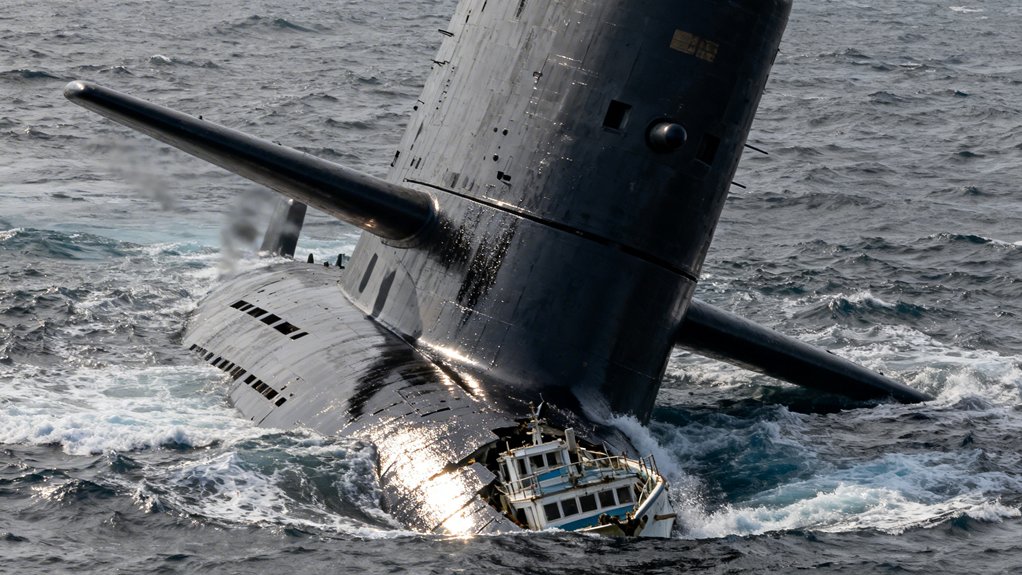
The crew ignored standard acoustic tracking protocols, letting the sonar's silence mask the Ehime Maru's looming presence just beneath the waves.
Commander Waddle's rushed periscope sweep failed to spot the fishing vessel, a fatal miscalculation born from his desire to impress civilian guests rather than guarantee safety.
This neglect of duty transformed a routine ascent into a deadly gamble where nine lives paid the price for a moment of vanity.
Much like the indefinite imprisonment authorized under Britain's DORA regulations, this incident highlights how executive urgency and the bypassing of established safeguards can lead to irreversible tragedy without due process.
Neglecting Standard Acoustic Contact Tracking Protocols
Though standard protocol demanded rigorous acoustic tracking before any ascent, the Greeneville's crew skipped critical sonar sweeps to rush a periscope check for their civilian guests.
This reckless haste defined the uss greeneville vip incident, transforming a routine drill into a tragedy fueled by us navy operational negligence. They prioritized spectacle over safety, ignoring the silent ocean's warnings.
- Sonar operators halted active listening to accommodate the VIP timeline.
- The crew dismissed faint acoustic signatures as irrelevant background noise.
- Leadership pressured subordinates to accelerate the ascent sequence prematurely.
- Human lives became secondary to demonstrating submarine power to tourists.
The submarine's sensors could have detected the Ehime Maru, but the desire to impress blinded them. They chose speed over scrutiny, sacrificing vigilance for a momentary thrill.
This failure wasn't merely technical; it was a moral collapse where procedure bowed to ego. The ocean demanded patience, yet they offered only haste, sealing nine fates with every ignored ping and rushed glance through the glass. Just as the Pentagon distributed hundreds of VNRs to bypass editorial scrutiny by adopting journalistic formats, the Greeneville's command bypassed safety protocols to curate a deceptive narrative of control for their guests.
Commander Waddle's Fatal Miscalculation of Surface Vessel Proximity
Ignoring the silent warnings of the deep, Commander Scott Waddle gambled nine lives on a hasty glance through the periscope. He'd rushed the sweep, trusting flawed sonar data over rigorous protocol while keen VIPs watched.
The ocean's surface wasn't clear; the Ehime Maru sat directly above, unseen in his hurried assessment. Waddle prioritized spectacle over safety, ordering the emergency blow that sent the USS Greeneville rocketing upward.
That single miscalculation sheared the training ship apart, killing nine souls instantly. Later, the uss greeneville court martial would dissect this fatal arrogance, yet no verdict could resurrect the dead.
Scott Waddle USS Greeneville remains a stark symbol of how vanity corrupts command. He'd traded human lives for a momentary thrill, proving that even advanced technology fails when leadership abandons its moral duty to verify before acting. This prioritization of demonstration over protocol mirrors the institutional secrecy that allowed agencies to bury evidence of crimes and evade accountability for decades.
Executing the Radical Emergency Main Ballast Tank Blow Maneuver
Commander Waddle surrendered the submarine's critical controls to civilian guests, inviting them to physically pull the levers that would trigger the emergency ballast blow.
As these untrained hands yanked the mechanisms, the USS Greeneville rocketed toward the surface at twenty-five knots, transforming a lethal military procedure into a spectacle for entertainment.
This reckless delegation of authority prioritized the VIPs' thrill over the nine lives waiting above, blurring the line between a training exercise and a negligent homicide.
Just as the Joint Intelligence Objectives Agency falsified dossiers to secure Nazi scientists, this incident revealed how institutional priorities can override safety protocols and ethical accountability.
Civilian VIPs Physically Operating Submarine Controls and Pulling Levers
While sixteen civilian VIPs crowded the control room, they didn't just watch; they physically grabbed the levers and executed the radical emergency main ballast tank blow that sent the USS Greeneville rocketing upward.
This unauthorized joyride turned deadly instantly. The submarine's violent ascent sheared through the Ehime Maru, a Japanese training ship sunk by submarine forces acting under civilian direction.
Later, guests peered through the uss greeneville periscope at the sinking vessel, witnessing the horror they helped create.
- Civilians operated critical military systems without training.
- Commanders sacrificed safety protocols for political entertainment.
- Nine innocent souls died due to this negligence.
- The Navy initially obscured the true cause.
This tragedy exposes how ego dismantled discipline, transforming a warship into a thrill ride while real lives vanished beneath the waves forever, mirroring the systemic deception seen in historical cases where institutions prioritized data or prestige over human life.
The Violent 25-Knot Collision Slicing Through the Ehime Maru Engine Room
The ocean's surface shattered as the 6,000-ton USS Greeneville rocketed upward at twenty-five knots, its steel hull slicing violently through the Ehime Maru‘s engine room.
This wasn't a standard accident; it was a calculated display gone horribly wrong. As the submarine surged, civilians who'd just pulled levers watched in horror. The 2001 Hawaii submarine crash wasn't merely bad luck; it stemmed from reckless decisions made to impress guests.
Why did the USS Greeneville crash? Because command prioritized spectacle over safety, ignoring basic sonar checks.
The nuclear boat's bow tore through the training ship's essential machinery instantly, crushing bulkheads and trapping crew below. Water flooded compartments while the Greeneville's momentum carried it clear, leaving the dying vessel behind.
No emergency protocols existed for this vanity-driven maneuver. The violence of impact reflected a deeper moral failure: treating a warship like a theme park ride. Lives hung in the balance as metal met metal, sealing nine fates within seconds. This prioritization of operational spectacle over safety mirrors the unchecked government autonomy that allowed agencies to bypass oversight and endanger citizens in other historical contexts.
Nine Casualties and the Rapid Sinking of the Japanese Training Ship
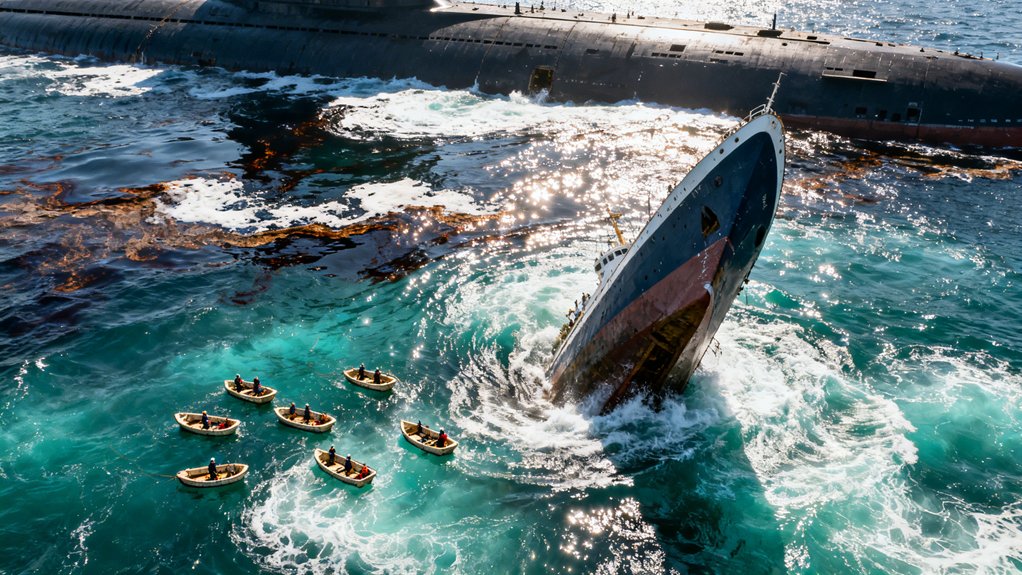
As the Ehime Maru plummeted beneath the waves, nine souls, mostly teenage fisheries students, found themselves trapped in the flooding hull with no escape.
While these young lives drowned in the dark, the civilian VIPs aboard the USS Greeneville watched the destruction unfold through the submarine's periscope.
This stark contrast between the victims' final moments and the spectators' detached observation underscores the profound moral failure of a maneuver executed for entertainment rather than necessity.
The incident mirrors how manufactured doubt can obscure accountability, allowing powerful entities to prioritize their own interests over human life and safety.
The Drowning of Teenage Fisheries Students Trapped Below Deck
Chaos erupted below the Ehime Maru's decks as the Greeneville's nuclear hull sheared through the engine room, trapping fisheries students in a rapidly flooding tomb. Water surged instantly, sealing exits while terrified teens scrambled for air that vanished within minutes.
This tragedy wasn't merely bad luck; it represented a catastrophic failure of command. The event now stains nuclear submarine accidents history, revealing how privilege overrides safety protocols. Investigators later uncovered evidence suggesting a us navy submarine cover up aimed at shielding VIP guests from scrutiny.
Four haunting truths emerge from those dark waters:
- Nine young lives ended solely for civilian entertainment.
- Emergency procedures were weaponized against an unsuspecting vessel.
- Institutional arrogance prioritized joyrides over human survival.
- The ocean claimed students while observers watched safely above.
Their drowning remains a stark moral indictment of military negligence disguised as routine operations.
Civilian Guests Observing the Destruction Through the USS Greeneville Periscope
While sixteen civilian VIPs crowded around the periscope, they watched the Ehime Maru vanish beneath the waves just moments after the Greeneville's emergency blow tore through its hull. The submarine's violent ascent had sheared the training ship's engine room, dooming nine souls instantly. Guests, who'd pulled levers minutes prior, now witnessed the catastrophic result of their joyride.
Panic erupted on the Japanese vessel as water flooded compartments, trapping students below deck. Above, the VIPs observed the rapid sinking with horrified fascination, their presence transforming a military exercise into a moral abomination. Commander Waddle's decision to prioritize entertainment over safety cost lives.
The Navy later called it an accident, but the periscope view revealed a starker truth: vanity killed. Nine families mourned while guests returned home, forever marked by the sight of innocent blood on their conscience.
The Delayed and Inadequate Search and Rescue Response by the Submarine Crew
The Greeneville crew let the Ehime Maru sink before they even bothered to launch a proper search.
Instead of immediately aiding dying students, they spent nearly an hour circling the debris field while commanders debated liability.
This hesitation transformed a tragedy into a moral failure, prioritizing protocol over human life.
The submarine's inaction revealed a chilling disconnect between military duty and basic humanity during those critical minutes.
- Crew members watched survivors struggle yet delayed launching rafts.
- Commanders focused on damage control rather than rescue operations.
- Crucial time vanished while officers argued over reporting procedures.
- Nine souls perished partly because help arrived far too late.
This delay wasn't just negligence; it was a conscious choice to value the vessel's reputation above floating victims.
The ocean swallowed the school ship while the nuclear submarine hovered safely nearby, its crew paralyzed by fear of consequences rather than driven by compassion.
Their silence spoke louder than any alarm, marking a moment where institutional self-preservation eclipsed the sacred obligation to save lives at sea.
Although the evidence pointed squarely to reckless command decisions, the United States Navy moved quickly to recast the disaster as a routine maritime mishap.
Officials downplayed the presence of sixteen civilian VIPs who'd actually pulled levers during the fatal emergency ballast blow. They framed Commander Scott Waddle's choice to surface at twenty-five knots for entertainment as a simple navigational error rather than a gross violation of safety protocols. This narrative shift aimed to protect institutional reputation while nine Japanese students lay dead beneath the waves.
Officials downplayed civilian involvement and framed reckless commands as simple errors to protect the Navy's reputation.
The Navy's initial statements omitted how ego-driven demonstrations had directly caused the Ehime Maru's destruction. By labeling it an accident, they obscured the moral failure of prioritizing a joyride over human life.
Families demanded truth, not sanitized press releases that ignored civilians operating military controls. The attempt to normalize this tragedy revealed a deep disconnect between bureaucratic self-preservation and the horrific reality of preventable death caused by vanity-fueled negligence aboard a nuclear submarine.
Forensic Investigations and the Military Court of Inquiry Findings
Forensic investigators peeled back the Navy's official narrative to reveal civilians physically manipulating the submarine's controls during the fatal maneuver.
The Military Court of Inquiry exposed Commander Waddle's testimony, which laid bare how his desire to impress guests overrode every safety protocol. These findings forced a reckoning with the moral bankruptcy of treating a warship's emergency systems as a spectacle for VIP entertainment.
Uncovering the Extent of Civilian Interference in the Submarine Control Room
When investigators peeled back the official logs, they found sixteen civilians hand't merely watched but physically seized the controls of a nuclear warship. This wasn't passive observation; it was active, unauthorized command.
The inquiry revealed a chilling erosion of protocol where guests pulled levers indispensable to the submarine's survival.
- Civilians operated the ballast blow controls without certification.
- Officers surrendered tactical authority to satisfy corporate donors.
- Safety checks were skipped to accelerate the demonstration.
- Nine lives were traded for a fleeting thrill.
The control room became a stage for vanity, blurring lines between duty and entertainment.
Investigators struggled to reconcile military discipline with such blatant recklessness. Every switched lever represented a moral failure, transforming a warship into a deadly joyride.
The facts show civilians didn't just witness the tragedy; they helped engineer it, turning a routine patrol into a graveyard beneath the Pacific waves.
Testimony Exposing Commander Waddle's Ego-Driven Command Decisions
Commander Scott Waddle's ambition transformed the USS Greeneville‘s bridge into a theater for vanity, where he prioritized impressing civilian donors over the sacred duty of safe navigation.
During the Court of Inquiry, testimony revealed he'd authorized civilians to manipulate controls, ignoring strict protocols. Witnesses described how Waddle rushed the emergency ballast blow, desperate to showcase the sub's power rather than guarantee safety. He'd skipped critical periscope sweeps, blinded by his own showmanship.
The investigation exposed a commander who'd traded vigilance for applause, letting ego override judgment. Forensic data confirmed the submarine surfaced at twenty-five knots directly beneath the Ehime Maru.
This wasn't mere error; it was a calculated risk taken for entertainment. The findings painted a grim picture of moral failure, where nine lives were lost because one officer couldn't resist the allure of a dramatic display for his distinguished guests.
Diplomatic Outrage and the Severe Impact on United States and Japan Bilateral Relations
Although the Pacific waters eventually settled, the diplomatic storm released by the USS Greeneville's reckless ascent tore through the fabric of U.S.-Japan relations with devastating force. Tokyo demanded answers as grief turned to fury, questioning America's respect for Japanese lives.
The incident wasn't merely a tragedy; it became a symbol of arrogant disregard. Allies watched closely as trust eroded under the weight of nine coffins.
- Families received apologies that felt hollow against the backdrop of VIP laughter.
- Negotiations stalled because Washington initially downplayed the civilians' role in the controls.
- Public protests erupted, forcing leaders to confront the moral bankruptcy of the joyride.
- Bilateral talks shifted from trade to accountability, straining decades of careful diplomacy.
The collision exposed how easily power corrupts when unchecked by conscience. While commanders faced courts-martial later, the immediate fallout left scars on international cooperation that simple regrets couldn't heal.
Nations realized that shared security requires shared responsibility, not just shared waters. The Ehime Maru's sinking proved that even among friends, negligence kills trust faster than any enemy could.
From the ashes of the Ehime Maru tragedy, the U.S. Navy confronted its own moral failure. Commanders realized they'd allowed vanity to override safety, letting civilians pull levers that controlled a nuclear submarine's deadly ascent. This wasn't just negligence; it was a systemic betrayal of duty.
Consequently, Washington immediately banned non-military personnel from manipulating submarine controls. The new policies strictly prohibited guests from touching any operational equipment, ensuring that only trained sailors could execute critical maneuvers.
Washington immediately banned civilians from submarine controls, ensuring only trained sailors execute critical maneuvers.
These rules weren't mere suggestions; they became ironclad regulations born from nine unnecessary deaths. The service acknowledged that impressing VIPs never justified risking lives, fundamentally shifting how it hosted dignitaries aboard vessels.
While the Navy couldn't resurrect the lost students, it could prevent future joyrides from turning fatal. This hard-won wisdom transformed protocol, embedding a solemn respect for the weapon systems they operated.
The ocean demanded accountability, and finally, the fleet listened, sealing the hatch on civilian interference forever.
Frequently Asked Questions
Which Specific VIP Guests Physically Operated the Submarine Controls?
Specific names of the VIPs who pulled levers remain officially unconfirmed in public records, though sixteen civilians occupied the control room.
Commander Waddle allowed these guests to physically operate the submarine during the fatal emergency ballast blow.
This delegation of critical military functions to untrained civilians for entertainment directly caused the Ehime Maru's destruction, blurring lines between host hospitality and criminal negligence while nine souls perished beneath the waves.
Why Did the Crew Delay Search and Rescue Efforts?
The crew delayed search and rescue because Commander Waddle prioritized the safety of his civilian guests over the dying fishermen below. He feared surfacing immediately might endanger the VIPs or expose their negligent role in the catastrophe.
This hesitation allowed critical minutes to slip away while nine souls drowned. The submarine's leadership chose self-preservation and reputation management over urgent humanitarian action, compounding the tragedy with a calculated, morally bankrupt silence.
How Many Civilian Guests Witnessed the Sinking Through the Periscope?
Sixteen civilian guests watched the tragedy unfold through the periscope. They'd just pulled levers for the fatal surfacing maneuver, killing nine people on the Ehime Maru.
Instead of helping, they observed the sinking ship from safety. This wasn't a standard accident; it was a joyride gone wrong.
The VIPs witnessed the direct result of their entertainment, while the Navy later tried hiding their negligence behind official reports.
What Criminal Charges Were Filed Against Commander Scott Waddle?
Like a digital troll in an analog sea, Commander Scott Waddle faced involuntary manslaughter charges. Prosecutors accused him of negligent homicide for the nine deaths.
He didn't go to prison; instead, he accepted a plea deal that spared him jail time. The Navy court-martialed him, but the sentence felt light.
He lost his command and career, yet many argued true justice never surfaced that day alongside the broken ship.
Did Any Japanese Students Survive the Initial Collision Impact?
Yes, some Japanese students survived the initial impact, but their escape turned into a nightmare.
As the Greeneville sliced through the Ehime Maru, chaos erupted. While nine perished instantly or drowned in the flooding hull, others scrambled onto the sinking deck.
They watched helplessly as the submarine's crew observed them through the periscope, prioritizing their VIP guests' safety over rescuing the dying teenagers trapped in the icy Pacific waters.
Final Thoughts
The periscope showed calm seas, yet below, chaos reigned. Sixteen VIPs pulled levers for thrills while nine souls drowned in the dark. The Navy called it an accident; history names it murder by vanity. Steel sliced flesh as protocol bowed to ego. In that fatal ascent, America traded innocent lives for a joyride, leaving a legacy where civilian curiosity cost more than the ocean could ever hide.