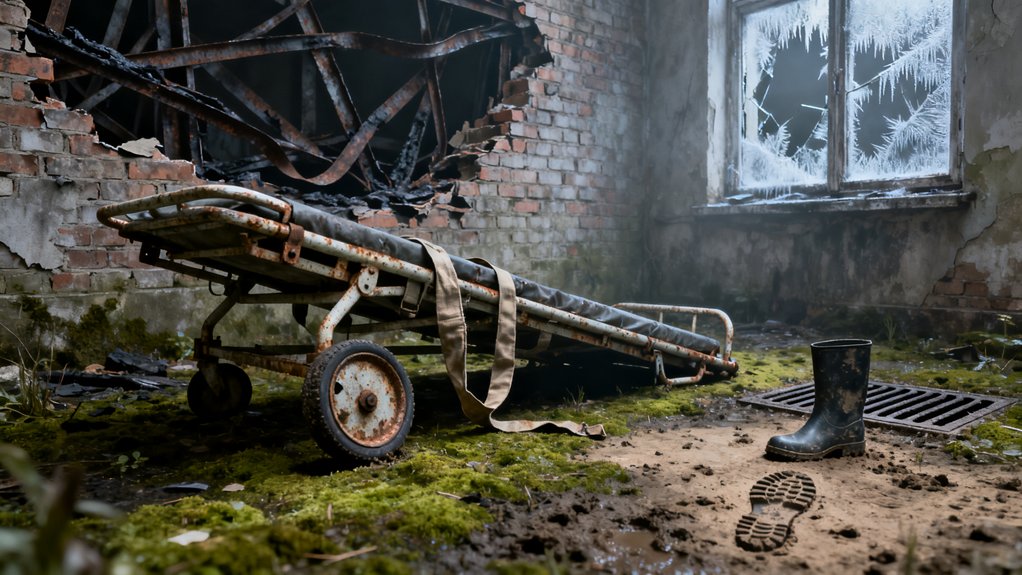
Over 3,000 pages of classified data on human experiments were handed to U.S. intelligence by Unit 731 scientists—men who tested bubonic plague, frostbite, and live dissections on thousands of Chinese, Korean, and Russian civilians. In exchange, they walked free while their victims vanished into silence. The U.S. buried the crimes, weaponized the science, and wrote history without accountability. What followed wasn’t justice—it was a cover-up forged in Cold War fear, and its consequences still echo.
Key Takeaways
- The U.S. granted full war crimes immunity to Unit 731 scientists in exchange for classified human experimentation data.
- Over 10,000 pages of data from lethal experiments were transferred to Fort Detrick to advance U.S. bioweapons programs.
- General MacArthur suppressed investigations and blocked the Tokyo Trials from accessing Unit 731 evidence.
- The U.S. dismissed Khabarovsk trial confessions as propaganda to conceal its collaboration with Japanese war criminals.
- Immunity deals allowed perpetrators like Ishii Shiro to avoid prosecution and reintegrate into postwar Japanese society.
What Was Unit 731?
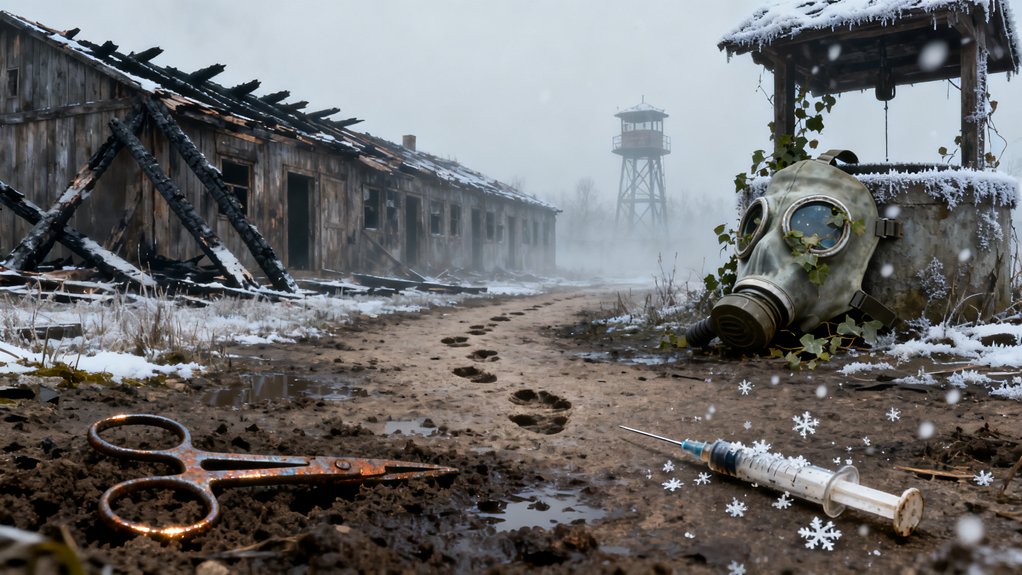
Unit 731 wasn’t just a lab—it was a secret biological warfare operation authorized by the Japanese emperor and built in Manchuria in 1936 to test weapons on humans. Under Shirō Ishii’s command, it turned disease and torture into weapons, all under the guise of epidemic prevention. What began as a covert military program quickly became a factory of unimaginable horrors.
Origins Of Unit 731
Though officially disguised as a public health initiative, the facility established in 1936 in Japanese-occupied Manchuria quickly became a center for covert biological warfare research under Emperor Hirohito’s authorization. Unit 731, led by Lieutenant General Ishii Shiro, operated from a secret compound in Ping Fan near Harbin, masked as a lumber mill. Under Hirohito’s imperial mandate, it launched ruthless experiments on up to 12,000 captives—Chinese, Russians, Koreans—branded “maruta” to erase their humanity. Researchers from major Japanese universities joined in, testing pathogens, conducting vivisections, and weaponizing disease, all in violation of the 1925 Geneva Protocol. Unit 731’s founding reflected a calculated fusion of militarism, scientific ambition, and state-sanctioned brutality. Its origins weren’t accidental but engineered—deliberate acts of empire that normalized atrocity under the guise of progress.
The Origins of Japan’s Biological Weapons Program
Japan’s biological weapons program didn’t emerge in secrecy—it was built with imperial approval and academic collusion. Emperor Hirohito authorized Unit 731 in 1936, embedding it in Manchuria as a frontline operation for banned warfare research. Backed by the Kwantung Army and elite scientists, the program weaponized disease on a mass scale, violating every norm of medical ethics from the start.
Origins Of Biological Warfare
When Emperor Hirohito authorized the covert expansion of Japan’s wartime research in 1936, the foundation was laid for a biological warfare program that would operate under the guise of public health. The Japanese army established Unit 731 in Manchuria, officially named the Epidemic Prevention and Water Purification Department. Led by Lieutenant General Ishii Shiro, the unit weaponized plague, cholera, and anthrax—pathogens banned under the 1925 Geneva Protocol. Under cover, researchers conducted brutal human experiments on civilians and prisoners, killing hundreds of thousands. Their Harbin facility at Pingfang spanned over six square kilometers, mass-producing biological agents for wartime use. Though disguised as a sanitary unit, its true mission was clear: advance biological warfare through unfettered cruelty. The program thrived on secrecy and state sanction, embedding war crimes deep within military science. This wasn’t science in service of survival— it was domination disguised as defense.
Experiments on Live Humans: The Atrocities of Unit 731
Unit 731 staff carried out lethal human experiments on thousands of prisoners, whom they dehumanized as “maruta,” to test biological weapons under the guise of medical research. They performed live dissections, injected subjects with deadly pathogens like plague and anthrax, and exposed them to extreme conditions—all without anesthesia. These acts weren’t isolated atrocities but systematic tests designed to advance Japan’s biological warfare program. Like the CIA’s mind control research, these experiments were conducted under a veil of secrecy and official denial, with lasting ethical consequences.
Lethal Human Experimentation
While the world later learned of the horrors, few grasped the full extent of the suffering inside Unit 731’s labs, where researchers cut into living bodies without anesthesia, calling their victims “maruta” to erase their humanity. They conducted lethal human experimentation on thousands—Chinese civilians, prisoners, even children—subjecting them to vivisections, organ removal, and blood transfusions with animal fluids while fully conscious. Amputations, electrocutions, and pathogen injections were routine, all in the name of data. These acts weren’t anomalies—they were systematic war crimes. Yet, after Japan’s surrender, U.S. authorities granted immunity to the architects of this terror in exchange for research, blocking war crimes prosecution. The victims were denied justice, their pain buried beneath geopolitical expediency. By shielding the perpetrators, the U.S. turned stolen suffering into bioweapons intelligence, sending data to Fort Detrick while erasing accountability. The silence that followed wasn’t peace—it was complicity.
Biological Warfare Testing
Because human lives meant nothing to them, the doctors at Ping Fan cut, infected, and observed without restraint, turning men, women, and children into disposable vessels for biological warfare research. They injected victims with plague, anthrax, and cholera, tracking disease progression in real time. Vivisections without anesthesia revealed how pathogens ravaged human organs. Others endured exposure to mustard gas, extreme cold, and pressure chambers—data gathered to refine Japan’s biological warfare capabilities. Entire Chinese cities became testing grounds: contaminated water supplies and airborne pathogens triggered outbreaks, killing up to 500,000. Each atrocity produced meticulous records. When the war ended, the U.S. seized the data in exchange for silence, shielding Unit 731 from accountability. The biological warfare secrets flowed to Fort Detrick, fueling new programs while burying victims’ suffering. Justice was sacrificed for strategic gain—truth suppressed, liberation denied.
Key Leaders Behind Unit 731’s Crimes
Shiro Ishii didn’t just lead Unit 731—he built it into a killing machine with impunity. He directed gruesome experiments and weaponized disease, all while knowing the U.S. would shield him. His command wasn’t hidden; it was protected. Like the forged handwritten notes used to deflect blame in the Lavon Affair, evidence of Ishii’s crimes was suppressed to protect geopolitical interests.
Shiro Ishii’s Command Role
Though records were destroyed and bodies buried beneath concrete, Shiro Ishii’s fingerprints remain on every chamber of Unit 731’s operation. Shiro Ishii, personally authorized by Emperor Hirohito, built and commanded the unit in Manchuria, turning science into slaughter. He directed gruesome experiments on thousands—Chinese, Russians, Koreans—labeling them “maruta” to erase their humanity. Vivisections, pathogen trials, organ harvesting: Ishii oversaw it all. His ambition fueled a bioweapons program that killed hundreds of thousands. After Japan’s defeat, he burned evidence, faked his death, and vanished—shielded by U.S. intelligence. In exchange for data, the U.S. granted Ishii immunity, protecting him and other war criminals from justice. This deal buried truth, empowered Fort Detrick’s bioweapons research, and silenced victims. Ishii’s escape wasn’t luck—it was policy. The cover-up didn’t just hide a man; it concealed a crime against humanity.
Why the U.S. Shielded Unit 731’s Scientists?
The U.S. didn’t just ignore Unit 731’s crimes—it actively shielded its scientists to seize their deadly research. American officials cut deals, paid hush money, and buried evidence because they wanted Japan’s biological warfare data all to themselves. With the Cold War heating up, they saw Ishii’s horrific experiments not as war crimes, but as intelligence gold.
Biological Warfare Intelligence Gain
Even as the world grappled with the aftermath of wartime atrocities, U.S. officials moved swiftly to secure a different kind of victory—intelligence. They granted immunity from war crimes to Unit 731’s scientists in exchange for over 10,000 pages of human experimentation data, deeming it indispensable for advancing American biological and chemical warfare programs. Lieutenant Colonel Murray Sanders argued the information was “more valuable than prosecutions,” a stance the Pentagon embraced. Between 1947 and 1949, the U.S. paid key perpetrators 150,000 to 200,000 yen for classified research on plague, anthrax, and live human testing. Fearful the Soviets would access the same findings, Washington blocked the International Military Tribunal from investigating, ensuring exclusive control. Shiro Ishii’s data flowed into Camp Detrick, where it was classified and weaponized—justice silenced, science corrupted, victims erased.
How the Cold War Protected Unit 731’s Cover-Up
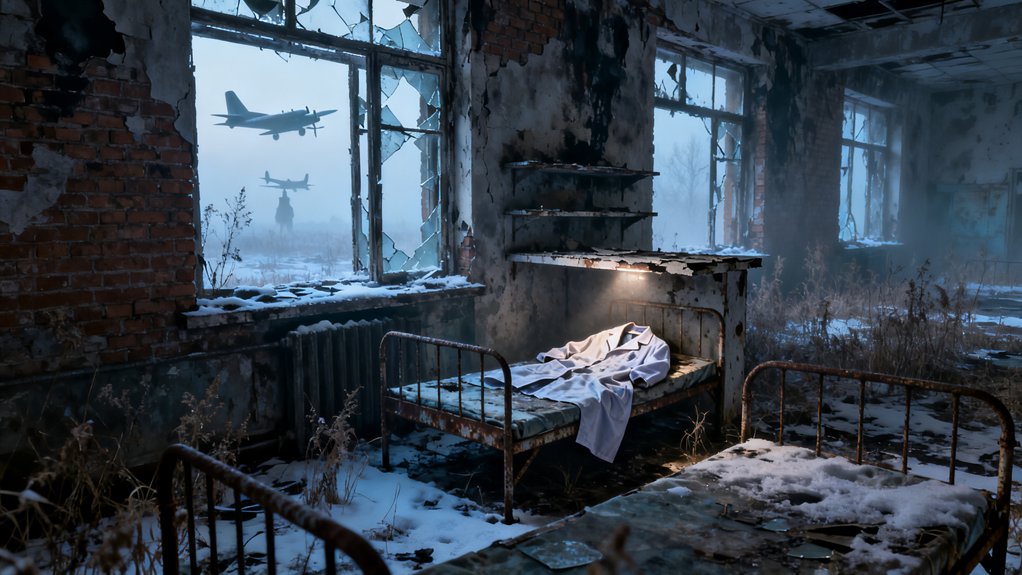
The Cold War turned justice into a casualty. U.S. officials buried evidence of Unit 731’s crimes to keep biological data out of Soviet hands and maintain a strategic edge. With secrecy prioritized over accountability, the cover-up wasn’t just enabled—*it was engineered*.
Cold War Priorities Over Justice
Because Cold War tensions were escalating, U.S. officials moved quickly to secure biological warfare data from Unit 731’s leaders, trading justice for strategic advantage. They granted full immunity to Shiro Ishii and his top operatives, shielding them from war crimes prosecution in exchange for gruesome human experiment findings. Between 1947 and 1949, Washington classified all data, blocking the Tokyo Trials and the International Military Tribunal from accessing evidence. Fearful of Soviet access, the U.S. paid former members the equivalent of millions in today’s yen, funneling knowledge to Fort Detrick. General MacArthur’s command suppressed biological warfare charges entirely. Western powers dismissed the Khabarovsk trial as “communist propaganda,” though it exposed the truth. In the name of cold war supremacy, the U.S. chose secrecy over accountability, burying victims’ stories. Immunity wasn’t mercy—it was a transaction. Justice was sacrificed; science was weaponized.
What the U.S. Got in Exchange for Silence
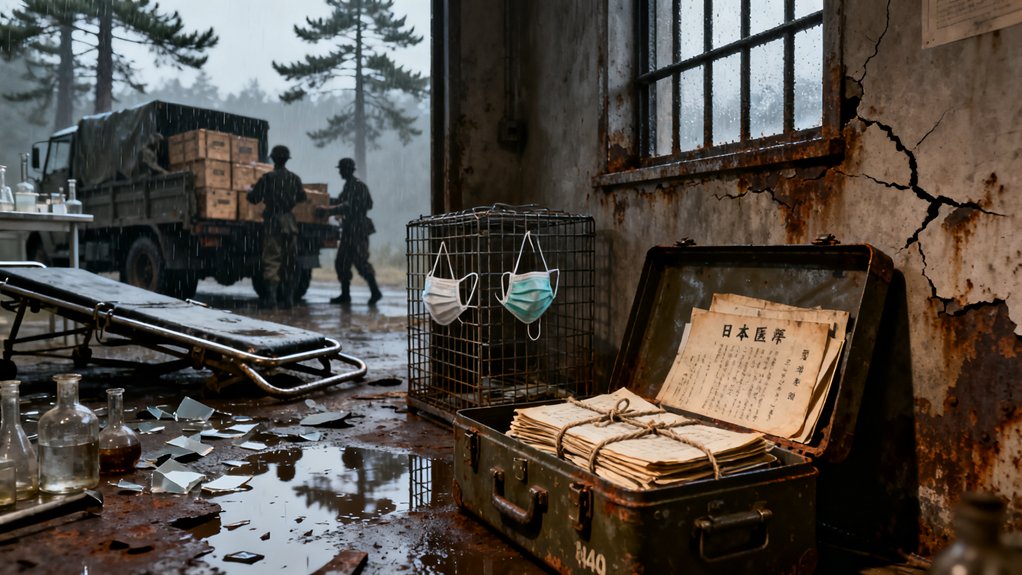
The U.S. secured thousands of pages of classified data from Unit 731, trading silence for gruesome experiments on plague, frostbite, and other biological agents. American officials funneled payments to Shiro Ishii and his team, ensuring exclusive access to findings they couldn’t obtain ethically or legally. This covert exchange handed Fort Detrick a decisive edge in Cold War bioweapons research—no questions asked.
Biological Warfare Data Swap
While justice for the victims remained out of reach, U.S. intelligence agencies moved quickly to secure something far more valuable to them: the classified research data gathered by Unit 731 through years of gruesome human experimentation. What followed was a cold transaction—biological warfare research for prosecution in exchange. Between 1947 and 1949, U.S. agents paid former Unit 731 members up to 40 million yen and funneled their findings to Fort Detrick. Over 10,000 pages of data, steeped in suffering, fueled America’s Cold War bioweapons program. MacArthur’s team buried the evidence, blocking tribunals and silencing truth.
| Suffering | Stolen Justice |
|---|---|
| 500,000 dead | Zero prosecuted |
| Human plague trials | Data shipped to Fort Detrick |
| Families shattered | Lies enshrined in policy |
Why Japan Suppressed Unit 731’s Truth
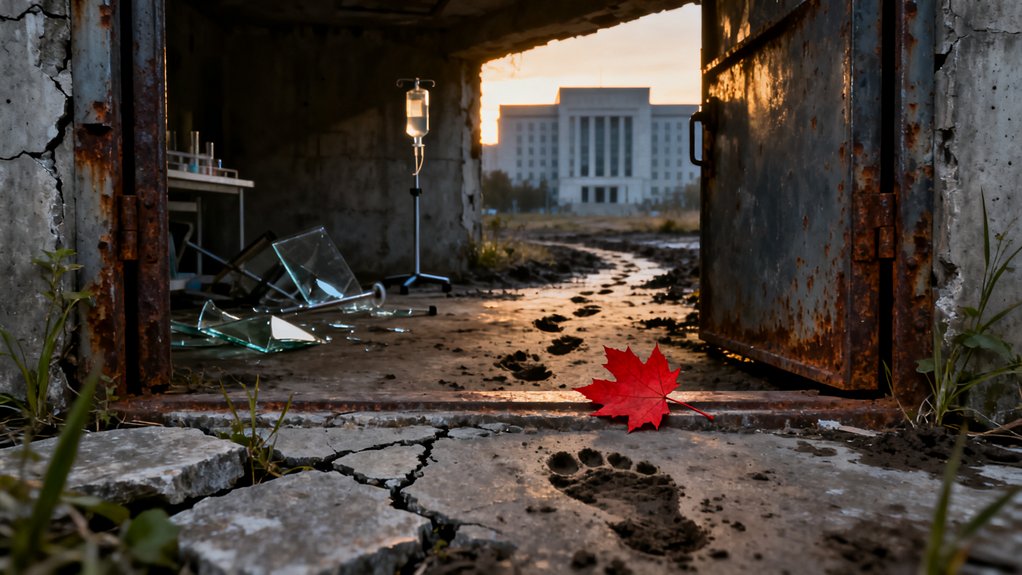
Japan didn’t just hide Unit 731’s crimes—it actively erased them, destroying labs and burning records as Allied forces closed in. With the Cold War looming, U.S. intelligence shielded Ishii and his men in exchange for data, turning a blind eye to atrocities that could fuel Soviet propaganda. That silence wasn’t just about science—it was a calculated move to keep Japan as a strategic ally, no matter the moral cost. Like the Pentagon’s deliberate deception in Vietnam, this cover-up prioritized geopolitical interests over truth and accountability.
Cold War Geopolitics
Because the Cold War turned secrets into weapons, the U.S. moved fast to lock down Unit 731’s data before the Soviets could expose it. United States intelligence saw Shiro Ishii’s biological warfare research as a strategic asset, not evidence of crimes. Between 1947 and 1949, U.S. officials granted immunity to top scientists, paying them the equivalent of 20 to 40 million yen in today’s value. They classified all findings, burying victims’ suffering under layers of secrecy. Fear of Soviet access drove the cover-up, distorting justice into a geopolitical maneuver. The U.S. dismissed the Khabarovsk Trial as “communist propaganda,” blocking truth in the name of containment. Cold war geopolitics demanded silence—so Unit 731’s architects walked free. The data fueled Fort Detrick’s bioweapons program, while Japan avoided reckoning. Justice was not delayed. It was traded.
Victims’ Lawsuits Against Unit 731
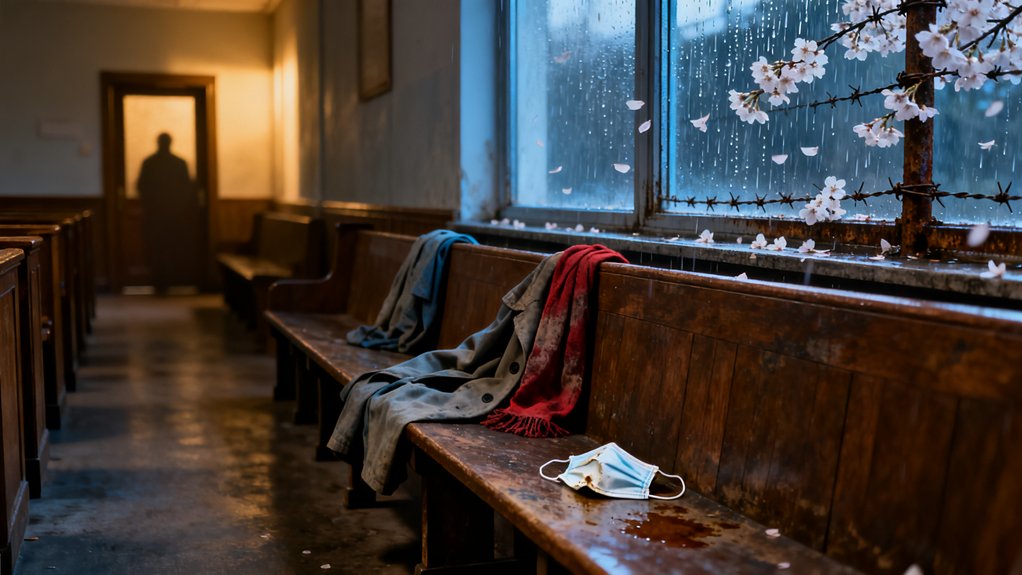
Survivors of Unit 731 launched a class-action lawsuit in 1991, demanding Japan acknowledge its crimes and pay reparations. The Tokyo District Court confirmed Japan’s responsibility in 2002 but denied compensation, citing wartime legal exemptions. Despite appeals, the Supreme Court shut the door in 2007, leaving victims without redress.
Legal Pursuits For Justice
How does a nation reckon with crimes buried by legal impunity? In the case of Unit 731, victims pursued justice through courts, demanding prosecution and acknowledgment. Their fight exposed how national interest was used to shield perpetrators, silencing survivors for decades.
| Year | Court | Ruling |
|---|---|---|
| 1995 | Tokyo District Court | Case filed by survivors |
| 2002 | Tokyo District Court | Atrocities acknowledged, compensation denied |
| 2005 | Tokyo High Court | Appeal rejected |
| 2007 | Japanese Supreme Court | Final appeal denied |
| Ongoing | Public memory | Moral reckoning continues |
Though courts upheld state immunity, survivors forced a reckoning—truth spilled into the light. The data was never just classified; it was stolen from dying breaths. Justice wasn’t lost in procedure—it was buried for national interest. Yet the demand for accountability persists, defying legal erasure. Liberation begins when victims name what states still refuse to atone for.
New Documents on Unit 731’s U.S. Cover-Up
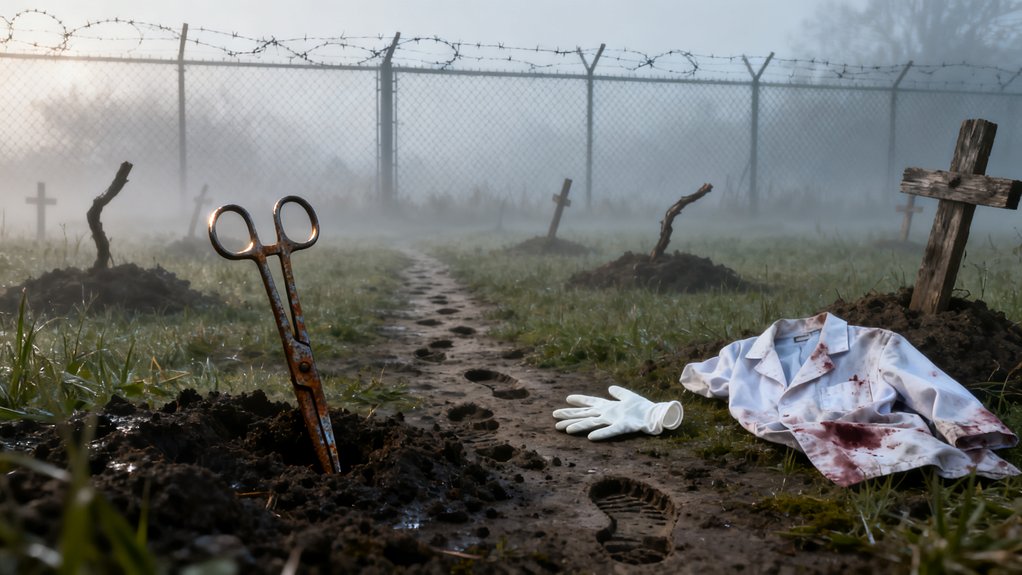
New documents have surfaced, exposing how the U.S. actively shielded Unit 731 leaders from prosecution. Declassified records show American officials paid bounties for data harvested from human experiments and classified the findings. This evidence reveals a deliberate cover-up that blocked justice and fueled secret bioweapons research.
New Evidence Emerges
What did the United States conceal in the aftermath of Japan’s surrender? Declassified U.S. military records and files from the National Archives now reveal the full extent of a calculated cover-up. To secure biological warfare data, American officials:
- Granted full immunity to Unit 731’s leaders, including Shiro Ishii, despite their role in horrific human experiments.
- Paid scientists 150,000 to 200,000 yen for research derived from torture and mass killing—data later funneled to Fort Detrick.
- Blocked the International Military Tribunal for the Far East from accessing witnesses and evidence, while discrediting the Soviet Union’s Khabarovsk Trial confessions.
These documents prove the U.S. didn’t just bury the truth—it bought it, protected it, and weaponized it. Victims were sacrificed for Cold War advantage. The archives don’t lie: justice was traded, and the powerful walked free. Liberation begins when secrets finally see light.
Why Unit 731’s Legacy Still Matters
The U.S. chose Cold War advantage over justice, letting Unit 731’s architects walk free while victims’ cries went unheard. That decision didn’t just distort history—it set a precedent that moral accountability can be sacrificed for strategic gain. Today, as nations grapple with wartime ethics, Unit 731’s legacy forces a reckoning: how far is too far in the name of security?
Moral Responsibility In Warfare
Though history often remembers war through the lens of battles and treaties, the legacy of Unit 731 forces a darker reckoning—one where science became a weapon and immunity a bargaining chip. The U.S. chose data over justice, granting full protection to architects of japanese crimes no matter how grotesque. This evasion of moral responsibility hollowed postwar accountability, letting perpetrators walk free while victims remained unnamed, unavenged.
- The U.S. silenced Khabarovsk trial evidence, burying truths that could’ve exposed imperial complicity.
- Scientists like Kitano and Ishii leveraged atrocity-born research to build careers and institutions.
- Dehumanized as “maruta,” victims were erased from official memory, denied even mourning.
Japan’s remilitarization and historical denial grow from this untouched wound. Moral responsibility isn’t just about punishment—it’s about refusing to trade conscience for power. The cover-up didn’t end in 1945. It evolved.
Frequently Asked Questions
What Happened to Unit 731 Victims’ Families?
Their wounds festered like open sores beneath silence. Families of Unit 731 victims never received justice—no trials, no reparations, no names returned from the shadows. The U.S. buried truths for data, Japan erased scars, and survivors’ kin were left shouting into a void. Generations inherited grief without closure, their pain weaponized by geopolitics. Memory became resistance. They fought to exhume truth, refusing to let empires bury their dead twice.
Did Any Scientists Show Remorse for Their Actions?
Few scientists showed remorse; most remained silent or defended their work. Shiro Ishii gave speeches glorifying the research, never apologizing. Some junior members later hinted at guilt in private, but none made public amends. Their silence protected careers and U.S. interests. Victims’ suffering was erased in the name of Cold War science. Accountability was buried, and healing denied. The absence of contrition deepened the wound—truth stifled, justice deferred.
Are Unit 731 Sites Still Accessible in China?
Ruins of Unit 731’s labs still stand like ghosts in Harbin, tangible and unerased. Visitors walk the crumbling halls where torture once thrived, now preserved as evidence, not memory alone. Museums display blueprints, cells, and bones—proof the empire tried to bury. Survivors’ testimonies echo through corridors, resisting silence. China maintains access to these sites, turning pain into power, ensuring history’s claws don’t vanish. Truth, though scarred, remains open-air.
Could Similar Bioweapons Programs Exist Today Undetected?
Yes, similar bioweapons programs could exist today undetected. Modern science enables covert labs to operate under civilian covers, using dual-use tech that evades scrutiny. State sponsors exploit weak oversight, and whistleblowers risk disappearance. Advanced genetic engineering allows tailored pathogens to be developed in secret. Surveillance gaps, diplomatic shielding, and lack of transparent inspections make confirmation nearly impossible—especially where power silences truth and global accountability falters.
Why Don’T Textbooks Cover Unit 731 in Detail?
Textbooks don’t cover Unit 731 in detail because governments and institutions suppress uncomfortable truths. Power protects its own, and revealing atrocities implicates not just perpetrators but those who shielded them. Silence preserves national myths. Publishers avoid controversy. Students get sanitized versions of history. But withheld facts don’t vanish—they linger, demanding witness. Truth resists erasure, and the buried past always claws its way forward, especially when justice remains unfinished.