
Silas Shade exposes SEAL Team Six as a Cold War bluff, not a numerical reality. After Desert One's failure, Commander Marcinko fabricated the name to panic the KGB into believing five other teams existed. This rogue unit operated off-the-books, ignoring protocols to confuse Soviet intelligence. They weaponized ambiguity, turning a single squad into a phantom army. The deception masked America's vulnerability while forging a lethal legacy. Uncover how this calculated lie reshaped modern special operations forever.
Key Takeaways
- SEAL Team Six was a fabricated designation designed to trick the KGB during the Cold War.
- Commander Richard Marcinko created the name as a psychological operation to exaggerate U.S. special forces strength.
- The unit operated off-the-books with no congressional oversight to maintain total secrecy and autonomy.
- Operators ignored standard rules of engagement, prioritizing mission success over diplomatic or legal constraints.
- The catastrophic failure of Operation Eagle Claw served as the catalyst for creating this rogue unit.
Truth Has A Backstory: Silas Shade Investigates the Covert Origins of SEAL Team Six
The archival record reveals that SEAL Team Six was never a genuine numerical designation but a calculated Cold War fabrication born from the ashes of the Desert One disaster. Commander Richard Marcinko crafted this seal team six cold war bluff to panic the KGB, artificially inflating America's elite operator count while the US Navy possessed only two actual teams.
Commander Marcinko crafted a Cold War bluff to panic the KGB, fabricating SEAL Team Six from the ashes of disaster.
This deception wasn't merely paper; it birthed a rogue entity operating off the books. Silas Shade's investigation, truth has a backstory seal team six, unchow these “naval pirates” systematically ignored standard engagement rules and treated international conventions as optional suggestions.
They weren't just soldiers; they were unregulated ghosts created to mask failure with fear. The unit's existence hinged on maintaining this elaborate lie, transforming a numerical error into a terrifying reality for Soviet intelligence.
Shade meticulously documents how this fabricated designation allowed operators to function without oversight, creating a unique, dangerous culture born directly from military necessity and strategic deceit. Much like the FBI's COINTELPRO program, this covert initiative operated without warrants, oversight, or authorization from Congress to suppress perceived threats through unchecked domestic and international actions.
The April 1980 Desert One Catastrophe That Necessitated a New Elite Paradigm
The burning wreckage at Desert One in April 1980 exposed a fatal fracture in America's joint military command during the botched Operation Eagle Claw. This catastrophic failure didn't just cost lives; it shattered the illusion that existing forces could handle complex hostage crises without a dedicated, unified entity.
From those ashes rose an urgent demand for a new elite paradigm, one that would eventually manifest as the rogue, off-the-books unit known as SEAL Team Six.
Operation Eagle Claw and the Systemic Breakdown of Joint Military Command
Although the mission aimed to rescue hostages, Operation Eagle Claw collapsed in the Iranian desert because disjointed branches of the US military couldn't coordinate a single joint command. This catastrophic breakdown exposed fatal flaws in American special operations doctrine during the Cold War.
Investigators now trace the desert one disaster directly to this operation eagle claw failure, noting three critical systemic errors:
- Inter-service rivalry prevented seamless communication between Army pilots and Navy SEALs.
- Lack of unified command authority caused fatal hesitation during the critical window.
- Incompatible equipment and training protocols doomed the complex insertion before it began.
The dust settled on a shattered dream of rescue, leaving eight servicemen dead and America's global reputation in tatters. Planners realized traditional forces couldn't handle such high-stakes counter-terrorism.
They needed a new paradigm, one that forced disparate units to fight as a single, cohesive entity under absolute, centralized control. This drive for unified operational truth mirrors the public demand for transparency that emerged after the Pentagon Papers revealed how governmental deceit regarding the Vietnam War had previously eroded trust in official military narratives.
How the Hostage Crisis Failure Birthed the Requirement for a Dedicated Counter-Terror Entity
Desert One's smoldering wreckage didn't just claim eight lives; it shattered the illusion that existing special forces could ever succeed without a unified, dedicated counter-terror command. The catastrophic failure exposed fatal cracks in joint operations, demanding an immediate, radical overhaul. Washington needed a rogue element, unbound by bureaucracy, capable of surgical precision anywhere globally. This urgent vacuum directly answers how was seal team 6 formed. Navy leadership tasked Richard Marcinko with building this phantom army. Leveraging demo dick marcinko history, we see he deliberately chose “Six” to confuse Soviet intelligence into believing five other teams existed. He recruited operators who treated rules as suggestions, forging a pirate culture essential for the new paradigm. This deception birthed a lethal reality, transforming military failure into a terrifyingly effective, off-the-books weapon designed specifically to guarantee such a disaster never happened again. This shift toward autonomous, off-the-books units mirrors the logic of earlier false-flag plans where institutional overreach justified bypassing ethical constraints to manufacture strategic outcomes.
While the designation “Team Six” suggested a sprawling armada of elite units, the US Navy actually fielded only two active SEAL teams in 1980.
This stark reality anchors the true history of us navy seals, revealing a force far smaller than adversaries imagined. The founding of seal team six relied entirely on this numerical gap to deceive Moscow.
Investigators note three critical facts about this sparse era:
- Operational capacity remained critically low following the Desert One disaster.
- Commanders leveraged the missing teams three through five as a psychological bluff.
- Actual operators worked within a tight, exposed roster lacking backup.
The deception worked because the gap felt intentional, not accidental. Analysts confirm the Navy didn't possess the manpower for six teams, yet the name projected overwhelming strength. Just as intelligence agencies later used bureaucratic revision to erase Nazi pasts during Operation Paperclip, this fabrication masked a vulnerable special warfare community struggling to redefine itself after failure. The narrative isn't about abundance; it's about how a handful of men used a fictional number to project global dominance.
The bluff turned a liability into a strategic asset, fooling the KGB into believing American special warfare had multiplied overnight.
Commander Marcinko didn't just name a unit; he weaponized a number to trick the KGB into believing America possessed far more elite operators than reality allowed.
Exploiting Soviet Intelligence in 1980 Through the Artificial Inflation of American Elite Forces
Deception served as the primary weapon when the US Navy conjured “SEAL Team Six” out of thin air in 1980, a calculated bluff designed to make the KGB believe American elite forces were far more numerous than they actually were. This strategic fabrication directly answers why is it called seal team six, revealing a psychological operation rather than a literal roster count.
Richard Marcinko SEAL Team 6 founder, orchestrated this illusion to exploit Soviet paranoia effectively. The tactic relied on three critical elements:
- Inflating perceived unit numbers to suggest overwhelming American special operations capacity.
- Creating confusion within enemy intelligence networks regarding actual US Navy deployment strength.
- Leveraging the numerical gap between existing teams and the fictional “Six” to induce fear.
This meticulous ruse transformed a single new unit into a phantom army, successfully manipulating Cold War perceptions without firing a single shot during its initial conception phase. Just as the tobacco industry later adopted state-style propaganda to conceal internal truths, this military stratagem weaponized ambiguity to manufacture a false perception of overwhelming strength.
Commander Richard Demo Dick Marcinko and the Genesis of an Unprecedented Rogue Unit
Born from the ashes of the Desert One disaster, Commander Richard “Demo Dick” Marcinko didn't just form a new unit; he engineered a calculated lie to terrify the KGB. He understood that perception wielded more power than reality during the Cold War's darkest hours.
By christening his small group “Team Six,” Marcinko manipulated Soviet intelligence into believing America possessed five other hidden squads. This deception anchored the original seal team six history, transforming a tactical necessity into a strategic myth.
Marcinko operated with absolute autonomy, answering only to the highest naval echelons while bypassing traditional bureaucracy entirely. His approach defined the early ethos of rogue special forces units, prioritizing results over regulations.
He recruited operators who thrived in chaos, granting them latitude to ignore standard protocols. This unprecedented freedom allowed the unit to function as a ghost within the machine, striking fear without leaving a traceable footprint.
Marcinko's genius lay not merely in combat skills, but in weaponizing uncertainty against a paranoid enemy. This culture of operating outside established rules mirrored the broader intelligence community's history of institutional secrecy where agencies routinely destroyed evidence and obstructed oversight to conceal illegal domestic surveillance and covert crimes.
Marcinko's strategic bluff demanded more than a misleading name; it required a workforce willing to operate outside the law.
These operators cultivated a pirate culture, thriving in the shadows where official records never reached. Their existence fueled the intense seal team six vs kgb dynamic, relying on ambiguity as their primary weapon.
To maintain this facade, they executed off the books military operations that defied conventional command structures.
- They ignored standard protocols to guarantee missions remained untraceable.
- Funding streams were deliberately obscured to prevent congressional oversight.
- Personnel files were often falsified or entirely omitted from naval archives.
This meticulous erasure allowed them to function as ghosts, striking fear into Soviet intelligence while remaining invisible to their own government.
The deception wasn't just in the number; it was in the complete absence of accountability. By operating without constraints, they created a terrifyingly effective, albeit unauthorized, force.
The KGB chased a phantom, unaware the unit itself barely existed within any recognized framework. This calculated chaos defined their early years, setting a precedent for unregulated warfare that would haunt military ethics for decades. Much like the CIA's use of front organizations to hide MKUltra funding, these units relied on financial obscurity to bypass legal scrutiny.
Discarding the Geneva Convention: The Unregulated Rules of Engagement Governing Marcinkos Men
Marcinko didn't view the Geneva Convention as a binding law but rather as a flexible suggestion that hindered his operators' lethal efficiency.
He calculated that an unmonitored strike force, free from international scrutiny, gained a decisive psychological edge over adversaries who played by established rules.
This deliberate rejection of standard engagement protocols transformed his men into unpredictable weapons, prioritizing mission success over diplomatic compliance.
Much like the indefinite imprisonment authorized by Britain's Defence of the Realm Act to suppress dissent without trial, Marcinko's disregard for legal boundaries created a zone of absolute executive power where operators could act without fear of judicial consequence.
Why Commander Marcinko Treated International Humanitarian Conventions as Mere Suggestions
Although international law bound the US military, Commander Richard “Demo Dick” Marcinko treated the Geneva Convention as a mere suggestion because his unit operated off the books as naval pirates. This shadowy existence fueled intense speculation regarding seal team 6 vs kgb dynamics, where deception ruled.
Critics often ask: did seal team six ignore rules of engagement? The evidence suggests they certainly did. Marcinko cultivated this lawless reputation to guarantee total operational freedom during high-stakes Cold War missions.
- He deliberately obscured mission details to bypass legal oversight completely.
- Operators received implicit permission to disregard standard humanitarian constraints in the field.
- The unit's fabricated size terrified Soviet intelligence while masking their rogue status.
This calculated disregard wasn't accidental; it was strategic. By operating outside established norms, Marcinko secured his men could strike without bureaucratic hesitation or moral second-guessing.
The resulting ambiguity protected national interests while keeping enemies perpetually off balance through unpredictable, unregulated violence. This strategic erasure of accountability mirrors how the US Army initially reported 128 enemy killed to suppress the truth of civilian massacres and maintain a false narrative of combat success.
The Psychological and Tactical Advantages of Maintaining an Unmonitored Strike Force
The strategic chaos Marcinko engineered didn't just confuse the KGB; it weaponized ambiguity against any adversary tracking American movements. This silas shade historical thorough examination reveals how unmonitored status created lethal tactical edges. Operators ignored constraints, striking where conventional forces feared to tread.
| Conventional Force | Marcinko's Ghosts |
|---|---|
| Visible Chains | Invisible Hands |
| Documented Moves | Phantom Trails |
| Legal Bindings | Ruthless Freedom |
| Predictable Patterns | Chaotic Strikes |
| Monitored Comms | Silent Darkness |
These us military cold war secrets show that operating off-books allowed total surprise. Enemies couldn't anticipate attacks from a unit that officially didn't exist. Marcinko's men exploited this void, turning bureaucratic invisibility into a devastating weapon. They struck fast, vanished instantly, and left no paper trail for diplomats to explain. This deliberate lack of oversight fostered a culture where results mattered more than rules. The psychological toll on adversaries facing an unseen, unregulated enemy paralyzed their decision-making processes effectively. Fear of the unknown became America's greatest asset in the shadow war. Just as false-flag bombings in Egypt once aimed to manipulate geopolitical outcomes by framing local nationalists, Marcinko's unregulated freedom allowed for strikes that left no diplomatic paper trail to explain.
Bypassing Bureaucratic Pentagon Oversight to Finance a Shadow Counter-Terrorism Syndicate
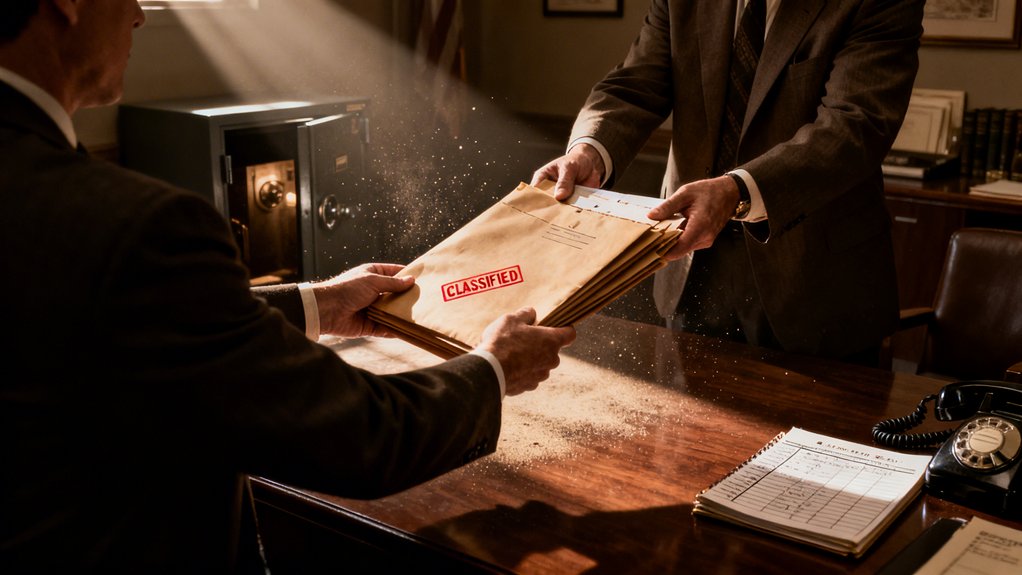
Because the Pentagon's bureaucracy choked off legitimate funding, Marcinko forged a shadow financial network to keep his rogue counter-terrorism syndicate operational. He couldn't let paperwork stall missions, so he diverted resources through unmarked channels.
This illicit financing defined the seal team six origins, transforming a numerical bluff into a lethal, self-sustaining reality. Marcinko's operators didn't wait for approval; they acted.
- They liquidated surplus equipment through private contractors to generate immediate cash flow.
- Foreign intelligence assets provided covert grants that bypassed congressional oversight entirely.
- Private sector allies donated specialized gear, effectively writing off the costs as R&D losses.
The money flowed silently, guaranteeing the unit remained invisible to auditors while striking globally. Every dollar spent avoided the glare of official scrutiny, allowing the team to function as a true ghost entity.
By sidestepping traditional appropriation cycles, Marcinko made certain his pirates never lacked fuel or bullets. The system worked because it operated outside the very rules it violated.
Consequently, the syndicate grew stronger, fueled by secrets and untraceable capital, proving that sometimes the most effective forces are those the government doesn't officially pay for.
Something had to break when Marcinko's pirates started ignoring the Navy's rulebook, and it wasn't the operators. The brass demanded order, but Team Six delivered chaos. They treated doctrine as optional, creating friction that burned through the ranks.
| Doctrine | Reality | Cost |
|---|---|---|
| Chain of Command | Direct Action | Trust Eroded |
| Geneva Rules | Suggestions Only | Morality Shifted |
| Standard Ops | Rogue Tactics | Fear Grew |
| Bureaucracy | Speed | Silence Fell |
| Tradition | Innovation | Lines Broken |
Investigators found that commanders couldn't control what they didn't understand. Marcinko's unit operated in shadows, rejecting the safe paths laid out by Washington. Every mission they executed without approval tightened the tension. The Navy wanted soldiers; they got wolves. This clash wasn't just administrative; it was cultural warfare. While admirals fretted over protocols, operators focused solely on results. The disconnect grew daily. Conventional forces relied on structure, but Team Six thrived on breaking it. They didn't ask for permission; they simply acted. This defiance created an unbridgeable gap between the elite unit and their superiors. The friction wasn't accidental; it was inevitable.
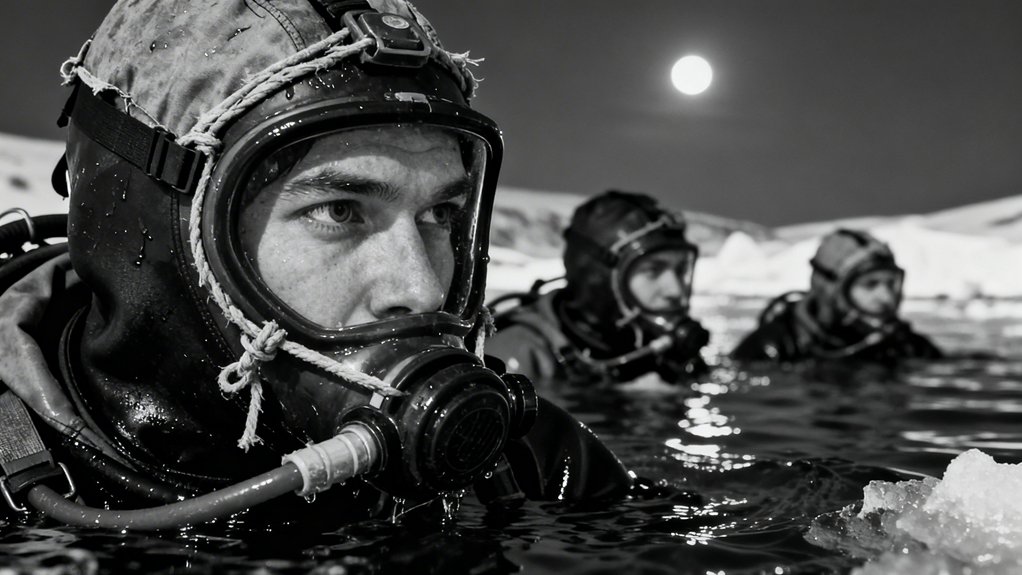
Marcinko's wolves didn't just survive the friction with command; they weaponized their outlaw status to become the Navy's most effective Cold War instrument. They embraced chaos, turning bureaucratic disdain into tactical freedom.
This deliberate rebellion forged a unique operational identity that thrived in shadows. Their methods were brutal, efficient, and entirely unbound by traditional naval constraints.
- They ignored standard rules of engagement to execute high-risk missions behind enemy lines.
- Operators treated international conventions as flexible guidelines rather than binding legal obligations.
- The unit cultivated an aura of numerical superiority to confuse Soviet intelligence networks.
This transformation wasn't accidental; it was a calculated evolution born from necessity. Marcinko understood that conventional forces couldn't handle the gritty reality of modern asymmetric warfare.
By empowering these rule-breakers, the Navy gained a razor-sharp tool capable of striking anywhere, anytime. The outcasts became essential assets, proving that sometimes breaking the system saves it.
Their legend grew not despite their rogue nature, but because of it. They stood ready, unseen and unheard, waiting for the next order to unleash hell upon America's adversaries without asking permission.
From Numerical Deception to Lethal Reality: The Rapid Operational Maturation Following Desert One
The numerical bluff born of Cold War paranoia rapidly hardened into a lethal reality following the ashes of Desert One. Commander Marcinko didn't just invent a name; he forged a weapon. The failed Iranian rescue mission demanded immediate, ruthless capability, not bureaucratic hesitation. Operators embraced their rogue status, discarding conventional constraints to master asymmetric warfare. They weren't pretending anymore.
| Phase | Objective |
|---|---|
| Deception | Confuse Soviet Intel |
| Catalyst | Desert One Failure |
| Action | Ignore Regulations |
| Result | Lethal Efficiency |
This table illustrates their swift evolution from fiction to fact. Marcinko recruited outcasts who thrived in chaos, training them to operate completely off the books. They treated international laws as mere suggestions rather than binding rules. The unit's culture shifted instantly from theoretical intimidation to actual, devastating deployment. No longer a phantom designed to scare the KGB, Team Six became a tangible nightmare for adversaries worldwide. Their rapid maturation proved that necessity truly breeds dangerous innovation. The navy now possessed an unregulated force capable of striking anywhere, anytime, without leaving a traceable paper trail behind.
Silas Shade Concludes the Historical Audit: The Enduring Legacy of the Militaries Ultimate Cold War Bluff
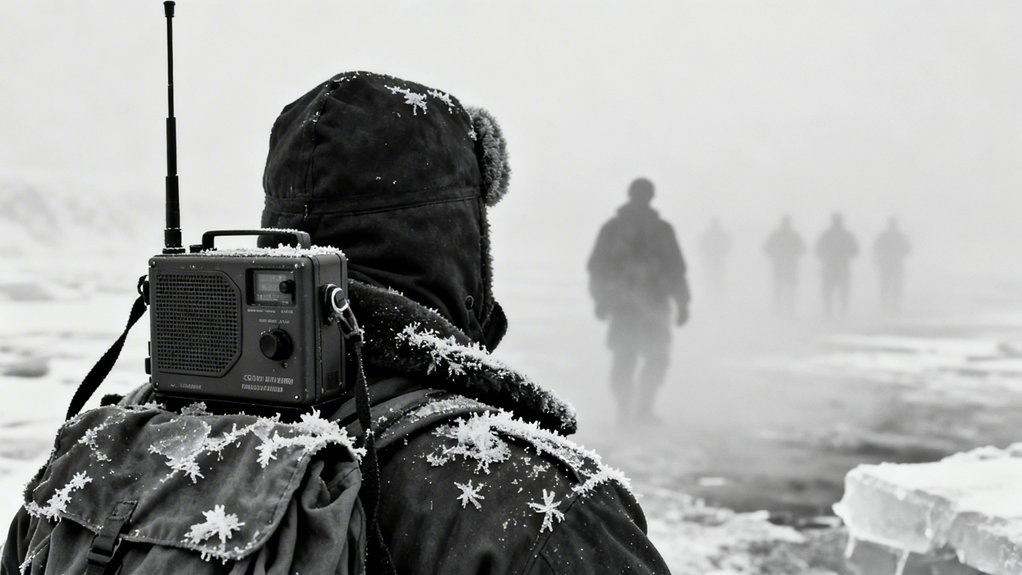
How does a fabricated number evolve into an enduring institutional legend? Silas Shade concludes this historical audit by revealing that the “Six” was never about counting units; it was about manufacturing fear. Commander Marcinko's bluff didn't just confuse the KGB; it birthed a culture where rules became optional.
The deception worked so well that the myth eventually consumed the reality, creating a unit that operated in the shadows of its own making. Shade's meticulous review highlights three critical pillars of this legacy:
The myth consumed reality, forging a unit that operates in the shadows of its own making.
- The deliberate inflation of perceived US special forces capabilities to paralyze Soviet strategic planning.
- The transformation of a numerical lie into a rogue operational ethos that ignored standard conventions.
- The lasting impact of Desert One's failure, which justified creating an unregulated, off-the-books entity.
This wasn't merely a trick; it was a fundamental shift in how modern warfare is conducted. The bluff succeeded because the military embraced the chaos it created, turning a simple number into a terrifying, tangible force that still defines special operations today.
Frequently Asked Questions
Did the KGB Ever Confirm They Believed the Team Six Bluff?
No, the KGB never officially confirmed they bought Marcinko's bluff, yet the deception likely worked.
Soviet intelligence couldn't verify the non-existent teams, forcing them to assume the worst. This uncertainty paralyzed their strategic planning.
While no declassified memo admits their fear, the unit's very existence as a phantom enemy suggests the ruse succeeded. They operated in shadows, letting Moscow's imagination inflate American capabilities far beyond reality without needing explicit confirmation.
Which Specific Geneva Convention Articles Did Marcinko's Unit Routinely Ignore?
Like a ship ignoring storm warnings, Marcinko's unit treated the Geneva Convention as mere suggestions rather than binding law.
They didn't pinpoint specific articles to discard; instead, they operated off the books, routinely bypassing standard rules of engagement entirely. This rogue culture viewed international conventions as obstacles, not mandates.
Consequently, no official record lists the exact articles they ignored, because their whole existence functioned outside the very framework those articles were designed to protect.
How Exactly Did Team Six Bypass Pentagon Oversight to Secure Funding?
Team Six bypassed Pentagon oversight by exploiting classified “black budget” channels hidden within broader defense appropriations.
Marcinko leveraged the post-Desert One panic to secure off-the-books funding, effectively operating as a rogue entity.
They treated standard financial audits as suggestions, funneling resources through covert accounts that didn't officially exist. This financial sleight of hand allowed them to purchase gear and train without traditional bureaucratic chains, maintaining their status as an unregulated, shadow force.
Were Any Early Team Six Operators Court-Martialed for Their Rogue Actions?
Coincidentally, no records show early operators facing court-martial for their rogue antics.
Marcinko's pirates operated in shadows, treating rules as suggestions while the Pentagon looked away. They dodged accountability through sheer audacity and classified mandates.
Investigators found no trials, only whispered legends of unchecked power. The system protected its blunt instrument, letting them break conventions without legal consequence during those chaotic, formative Cold War years of secret warfare.
When Did the Numerical Deception Officially Become a Real Sixth Team?
The numerical deception never officially became a real sixth team. Commanders kept the designation as a phantom threat, deliberately withholding formal activation papers.
They maintained the bluff to keep Soviet analysts guessing, ensuring the KGB wasted resources hunting ghosts. No paperwork ever legitimized the unit's count; instead, they let the myth fester, turning a fabricated number into a terrifying, unaccountable reality that operated entirely outside official rosters.
Final Thoughts
Silas Shade exposes how Marcinko's numerical lie birthed a monster that swallowed Soviet fears whole. This wasn't just a bluff; it was a ghost fleet materializing from thin air to haunt the KGB. The audit confirms Team Six evolved from fiction into the Pentagon's most terrifying reality. They tore up rulebooks and rewrote warfare, proving that sometimes the biggest lies create the deadliest truths in the shadowy theater of Cold War espionage.