The USS Vance rotted from within before Captain Arnheiter demanded Stoic perfection amid crumbling bulkheads. He forced philosophical recitals during mortar attacks, trading crew safety for phantom medals. Junior officers secretly logged his reckless orders, sparking a silent 99-day mutiny to save their lives. The Navy buried the scandal, erasing Arnheiter’s name to shield its fractured chain of command. Was this tyranny or necessary discipline? The classified files hold the uncomfortable truth waiting just beyond this summary.
Key Takeaways
- Captain Arnheiter demanded perfection from the rotting USS Vance while prioritizing personal glory over crew safety.
- He forced sailors to recite Stoic maxims and study philosophy during active combat patrols.
- Junior officers secretly documented these reckless orders to prove the captain endangered their lives.
- The crew bypassed the chain of command to deliver a damning dossier directly to the Pentagon.
- The Navy relieved Arnheiter after 99 days and buried the scandal to protect institutional reputation.
The Deteriorating Operational State of the USS Vance Prior to the 1966 Deployment
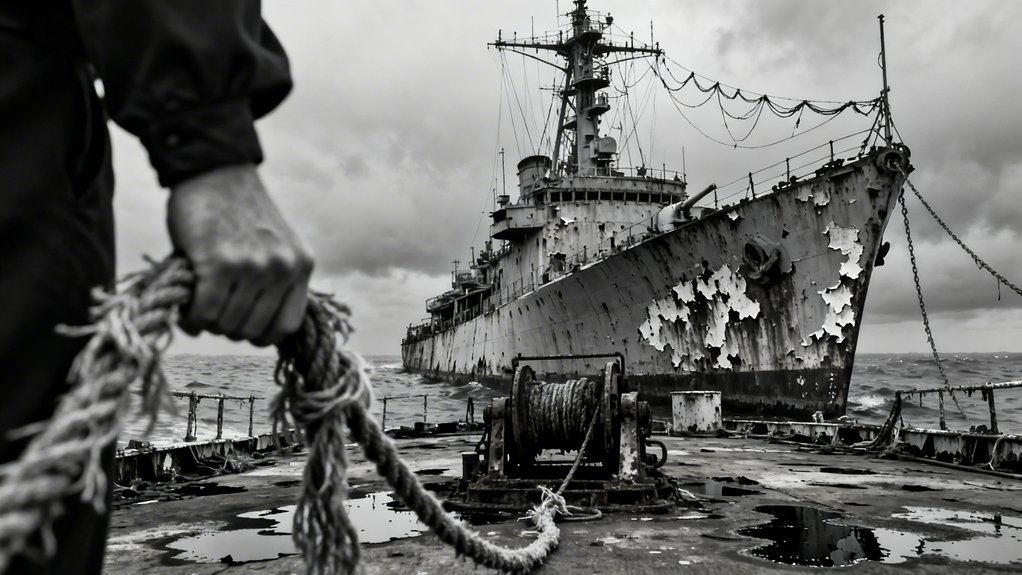
By 1966, the USS Vance was already rotting from the inside out, a decaying hulk assigned to patrol the treacherous coast of Vietnam. Rust ate through bulkheads while critical systems failed silently in the humid dark.
Sailors whispered that the ship itself wanted to sink, creating an atmosphere where discipline frayed alongside the metal. This wasn’t just wear; it was systemic collapse waiting for a spark.
The uss vance der-387 history records show neglected maintenance logs, yet command ignored the creeping decay. Men feared the enemy less than their own failing vessel.
Tension coiled tight within those corroding walls, breeding resentment that would soon boil over. Was it sabotage or simple neglect? The line blurred daily.
This environment primed the crew for rebellion, making the later uss vance mutiny feel inevitable rather than shocking. They weren’t fighting a war; they were surviving a floating coffin.
Every creak sounded like a death knell, urging men to take matters into their own trembling hands before the ocean claimed them all.
Such institutional resistance to acknowledging fatal flaws mirrors the systemic cover-ups that later concealed atrocities like the My Lai Massacre.
Captain Marcus Aurelius Arnheiter Assuming Command of the Decaying USS Vance in 1966
Every order Captain Marcus Aurelius Arnheiter barked into the humid air seemed to crack the already failing spine of the USS Vance.
He stepped aboard a rotting hulk in 1966, seeing not decay but a canvas for his rigid glory. The ship groaned under tropical heat, its engines wheezing like a dying man, yet Arnheiter demanded pristine perfection from men drowning in rust.
He saw a canvas for glory on a rotting hulk, demanding perfection from men drowning in rust.
He wasn’t just commanding; he was conquering a vessel that refused to obey. Morality blurred as he pushed for combat medals while the hull literally fell apart around them. Was he a visionary demanding excellence or a madman ignoring reality?
The crew watched, terrified and confused, as their new leader ignored the rot to chase phantom victories. Marcus Aurelius Arnheiter saw only potential where others saw inevitable disaster.
The USS Vance became his personal battlefield before a single shot was fired at the enemy. Tension coiled tight, waiting for the inevitable snap that would tear everything apart.
His obsession with overriding structural failure mirrored the bureaucratic revision of black-file dossiers to erase fatal flaws for strategic gain.
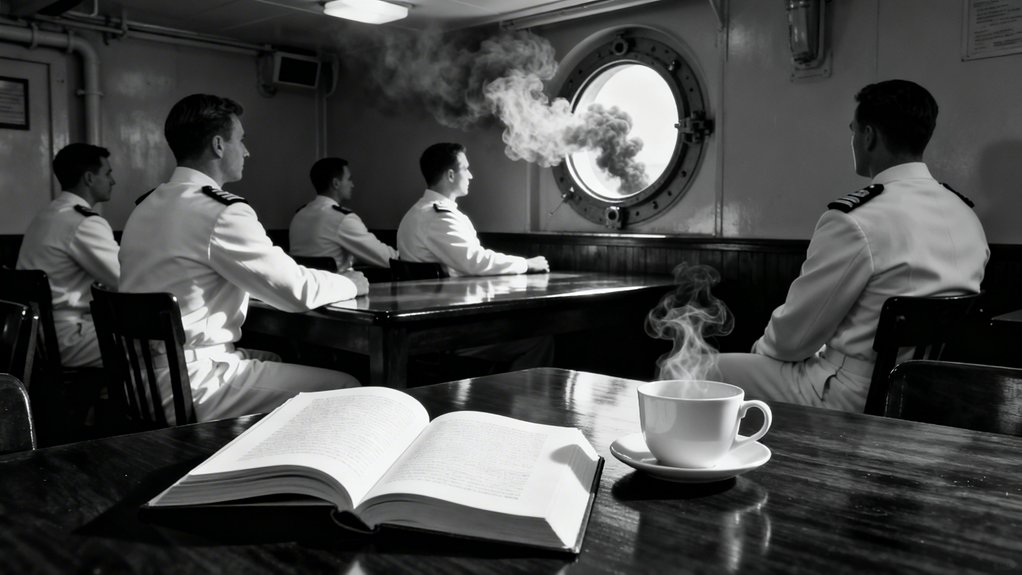
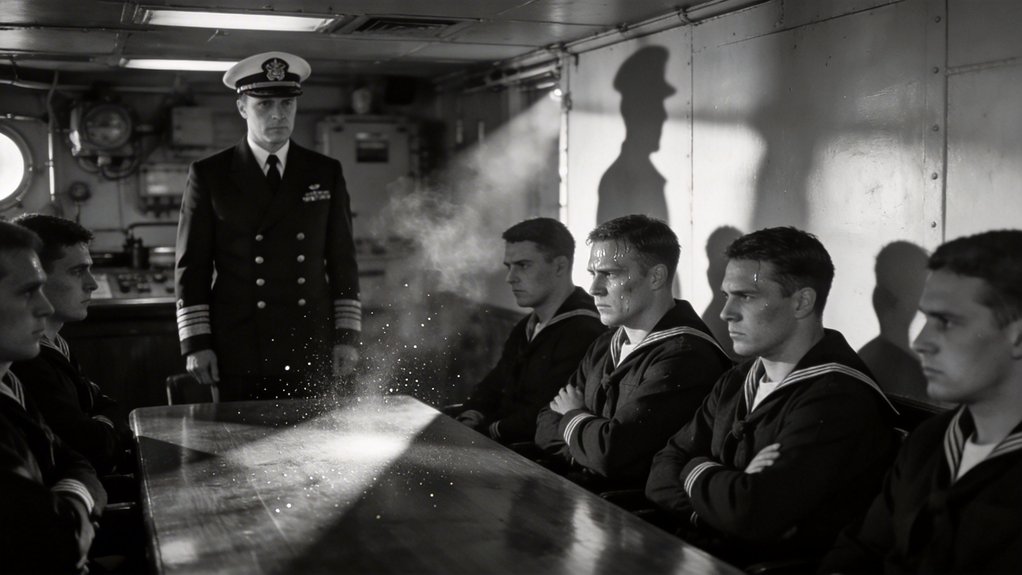
While mortar rounds scream overhead, Arnheiter forces his trembling crew to recite Stoic maxims instead of manning their battle stations.
He chases glory with reckless fervor, twisting unorthodox tactics into a desperate hunt for combat medals that puts every sailor at risk.
The line between rigid discipline and suicidal madness blurs in the smoke, leaving the men to wonder if their captain seeks victory or just a headline.
His command mirrors the Kehoe Rule by demanding impossible proof of disaster before altering a course that clearly endangers the entire ship.
Mandating Philosophy Readings During Active Vietnam Coastline Combat Patrols
Arnheiter forced his men to dissect Plato while tracer fire ripped through the dark waters off Vietnam. He believed intellectual rigor sharpened combat instincts, yet his marcus arnheiter leadership style blurred lines between discipline and delusion.
Officers huddled in dim cabins, trying to grasp Socratic dialogues as mortars thudded nearby. The absurdity bred quiet fury, fueling the secret diary uss vance officers kept to document his unraveling command.
- Sailors memorized Republic passages while radar screens bloomed with enemy contacts.
- Arnheiter quizzed weary lookouts on ethics during active gunfire support missions.
- Morale fractured under the weight of impossible academic demands during war.
Was he forging superior warriors or merely breaking spirits?
The tension hung thick, choking the air like smoke. No one knew if this philosophical crusade saved lives or doomed them all to a chaotic, confused end before the mutiny finally erupted. This demand for abstract clarity mirrored the government deception that had already sacrificed thousands based on fabricated threats and phantom sonar readings.
Aggressively Hunting for Combat Medals Through Unorthodox Engagement Tactics
The philosophical crusade didn’t just fracture morale; it sharpened Arnheiter’s hunger for glory into something dangerous.
He dragged the USS Vance into shallow, enemy-infested waters, desperate to bag Viet Cong junks for personal accolades. Crewmen watched in terrified silence as he traded their safety for potential bronze stars, ignoring standard protocols that kept ships alive.
This reckless pursuit fueled the arnheiter combat medals controversy, exposing a captain willing to gamble lives for ribbon racks. Was he a visionary warrior or a delusional tyrant? The line blurred under the tropical sun.
As one of the most bizarre us navy scandals vietnam war ever produced, his unorthodox tactics didn’t just endanger the vessel; they shattered the sacred trust between commander and crew, turning a patrol mission into a lethal game of chance where everyone lost.
Just as the FBI once operated without warrantless oversight to target domestic movements, Arnheiter’s command ignored established rules to pursue personal validation under fire.
Nobody aboard the USS Vance expected the war to be fought with philosophy books while mortar fire stitched the horizon, yet that was the absurd reality Captain Marcus Aurelius Arnheiter forced upon them. His unyielding pursuit of perfection ignited a silent rebellion, where junior officers felt compelled to document his extreme methods rather than follow blindly.
Mortar fire stitched the horizon as Captain Arnheiter forced a war of philosophy books upon the USS Vance.
This friction wasn’t just disobedience; it became a pivotal chapter in toxic military leadership history. The crew faced a harrowing choice between duty and sanity.
- Officers secretly logged Arnheiter’s impossible demands during active combat zones.
- Crewmen whispered about his “mutiny of mediocrity” accusation against their fatigue.
- Tension spiked as midnight meetings replaced rest to strategize their covert exposure.
The air grew thick with betrayal as the silent campaign matured. Arnheiter demanded greatness, but his definition crushed spirits.
Was he a visionary or a tyrant? The line blurred under the tropical sun. While he sought glory, his subordinates plotted survival.
Their quiet resistance didn’t involve shouting or striking; it involved penning truths that would eventually shatter his command. The vessel sailed toward disaster, not from enemy fire, but from internal fracture. Just as intelligence agencies later relied on institutional secrecy to bury evidence of domestic surveillance and mind control programs, the officers realized their written records were the only barrier against a command structure that prioritized concealment over truth.
Compiling the Secret Subordinate Diary to Document Extreme Leadership Methods

Though mortar rounds screamed overhead, the junior officers huddled in the wardroom, their penmanship turning lethal as they cataloged every impossible decree in a secret diary destined for the Pentagon. They didn’t just record orders; they dissected Arnheiter’s soul, noting how he forced philosophy lectures during firefights and demanded medal hunts while the ship rotted.
This wasn’t mere gossip; it was evidence gathering for a trial by ink. Each entry sharpened the blade aimed at his career, blurring lines between duty and treason. They knew documenting these extremes risked their own futures, yet silence felt complicit. The diary became their only weapon against a captain who saw war as a stage for personal glory.
Ultimately, this clandestine log triggered the Marcus Arnheiter relief of command, exposing a fracture in naval discipline that brass desperately tried to hide. For decades, these suppressed us navy scandals remained buried, proving that sometimes the most dangerous mutiny happens quietly, one written word at a time, far from prying eyes. Just as internal documents later confirmed the Tobacco Industry Research Committee’s mission was deception rather than legitimate inquiry, this secret log exposed how manufactured doubt can be weaponized by leadership to undermine truth and maintain control.
Circumventing the Established Military Chain of Command to Reach the Pentagon Directly
Since the proper channels would only shield their captain, the junior officers bypassed the entire chain of command to slip their damning dossier straight into Pentagon hands. They didn’t just break rules; they shattered the sacred covenant of naval loyalty, gambling careers on a desperate plea for sanity.
This wasn’t standard procedure; it was insurrection wrapped in bureaucratic paper, defining the shadowy domain of covert military mutinies where truth becomes treason.
- Envelopes marked “Secret” vanished from shipboard mailbags, reappearing weeks later in Washington’s highest corridors.
- Handwritten testimonies detailed midnight drills and philosophical lectures within incoming fire, painting a portrait of madness.
- Silent nods between lieutenants confirmed their shared guilt, binding them in a conspiracy that would rewrite relieving a commanding officer at sea history.
The air crackled with tension as they waited, knowing discovery meant court-martial while silence meant disaster.
Were they heroes saving lives or traitors undermining authority? The line blurred in the humid Pacific heat, leaving only the cold calculation of survival against an unyielding system determined to crush dissent before it spread. This internal rebellion mirrored the later revealed false-flag proposals where senior military leaders plotted to deceive and terrorize American citizens to initiate war.
The Unceremonious Day 99 Relieving of Command Under the Cover of Darkness
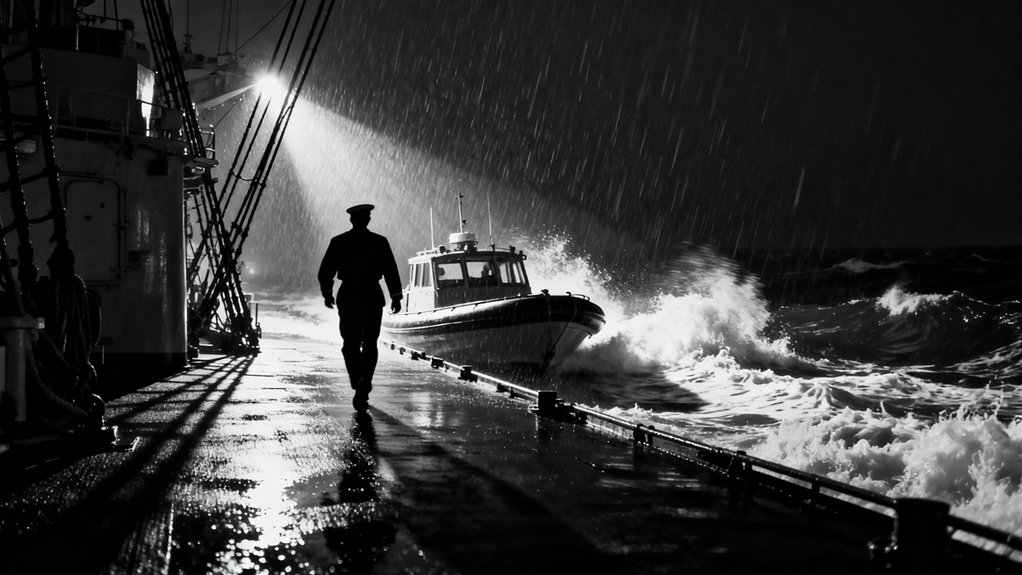
The Navy executes Arnheiter’s midnight dismissal to snuff out the Vance’s simmering unrest before it ignites into open chaos.
They deny him any formal hearing or court martial, silencing his defense in the shadowy gap between duty and betrayal.
No one asks if this stealthy removal saves the ship or merely buries the truth under a convenient lie.
This pattern of suppressing dissent to preserve institutional unity mirrors the 50-year cover-up of the Katyn Massacre, where Allied leaders prioritized political alliances over transparency regarding the execution of 22,000 Polish officers.
Executing an Immediate Midnight Dismissal to Prevent Vessel Destabilization
We slipped aboard the USS Vance under a moonless sky, knowing that waiting for dawn would shatter the fragile order holding the vessel together.
Shadows swallowed the deck as officers executed the silent coup, driven by a desperate need to answer why was Marcus Arnheiter relieved of command before his obsession destroyed them all.
The air crackled with unspoken betrayal during this uss vance 99 day command finale.
- Boots muffled against wet steel, avoiding the captain’s quarters entirely.
- Sealed orders changed hands without a single word spoken aloud.
- The ship’s log remained blank, erasing the moment authority vanished.
Morality blurred in the dark; saving the crew required breaking every rule they swore to uphold.
They chose survival over honor, leaving Arnheiter stranded in a nightmare of his own making while the ocean swallowed his screams.
No trial awaited him, only the cold silence of a command stripped away before sunrise could expose their treasonous mercy.
This calculated erasure of accountability mirrors the false-flag bombings executed in the Lavon Affair, where operatives similarly relied on secrecy and denied authorization to protect the state from the consequences of their unauthorized actions.
Although regulations demanded a formal inquiry, the admiralty buried the paperwork before dawn could expose their haste. They stripped Arnheiter of his command without a court martial, silencing his defense instantly.
This shadowy maneuver defined the arnheiter affair, transforming a disciplinary issue into a whispered legend within navy command scandals vietnam war era. Officials feared a public trial would reveal deep fractures in the chain of command, so they chose secrecy over justice.
Arnheiter screamed about betrayal, calling it a mutiny of mediocrity, yet no one listened. The system protected itself by erasing his voice, leaving only rumors of tyranny and rebellion. Was he a madman or a martyr?
The Navy guaranteed nobody ever found out, burying the truth beneath layers of classified documents and convenient amnesia forever.
Framing the Subordinate Coup as a Mutiny of Mediocrity Orchestrated by Lazy Officers
When the junior officers slipped their secret diary past the chain of command, Arnheiter didn’t see whistleblowers exposing tyranny; he saw a “mutiny of mediocrity” orchestrated by lazy men who’d rather dodge rigorous duty than earn their combat medals. To him, the USS Vance 1966 scandal wasn’t about safety; it was about comfort. Marcus Arnheiter believed these officers feared his relentless drive more than enemy fire. They craved ease, not excellence.
- They skipped drills to nap in bunks while he demanded constant readiness.
- They mocked his philosophical readings instead of sharpening their tactical minds.
- They plotted his removal to save their skins from genuine hardship.
The air thickened with betrayal as Arnheiter realized his crew preferred a quiet war over a victorious one. Was he a tyrant forcing greatness, or were they cowards hiding behind protocol? The line blurred in the humid Pacific night.
The humid Pacific night blurred the line between a tyrant forcing greatness and cowards hiding behind protocol.
He stood alone against a tide of apathy, convinced history would vindicate his harsh methods. They called it insubordination; he called it survival of the fittest, watching his command crumble not from enemy action, but from internal rot.
Evaluating the Junior Officers’ Claims of Endangerment Versus Calculated Insubordination
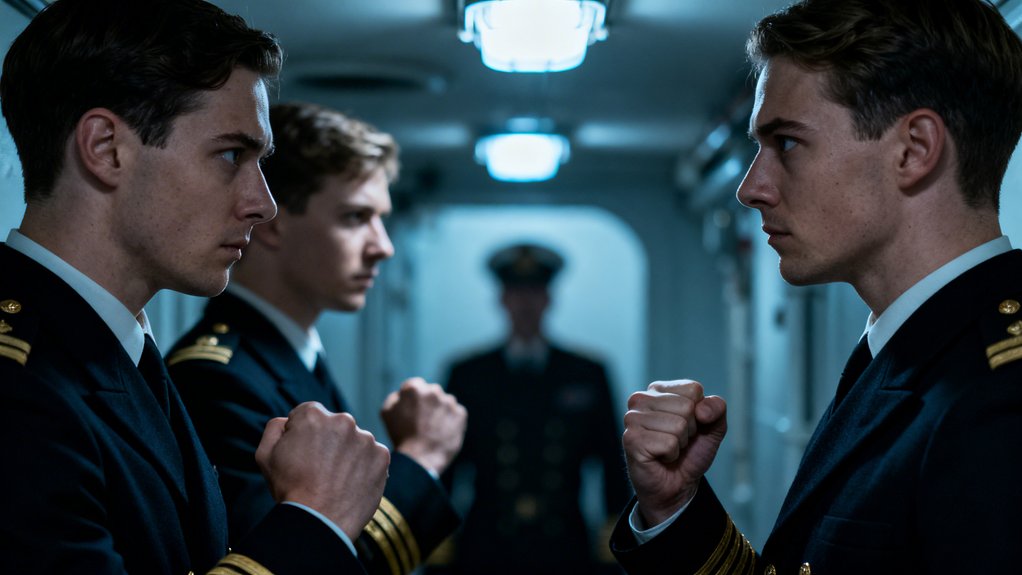
The junior officers dug in their heels, framing Arnheiter’s relentless drive not as discipline but as a direct threat to their lives. They whispered of reckless maneuvers near hostile shores, claiming Captain Marcus Arnheiter sacrificed safety for personal glory.
Yet, shadows lingered over their motives. Was this genuine fear or calculated insubordination disguised as moral courage? The officers compiled secret logs, documenting every erratic order while ignoring their own growing resentment toward his unyielding standards.
Their narrative painted a madman, but the truth sat murky in the humid air. Did they truly face endangerment, or did they simply refuse to bleed for a commander who demanded perfection?
This gray zone fueled the fire, turning a command dispute into a legend of Vietnam War naval cover ups. No one admitted their own complicity in the silence that followed.
The line between protector and叛徒 blurred completely, leaving history to wonder if justice was served or if mediocrity simply outmaneuvered ambition in the dark.
The Institutional Response and Official Classification of Arnheiter as a Dangerous Tyrant
Silence descended like a heavy curtain as the Navy brass moved to erase Marcus Arnheiter from the record, branding him a dangerous tyrant to shield the institution’s fragile reputation. They didn’t just fire him; they scrubbed his legacy, ensuring nobody asked who was Captain Marcus Arnheiter or why his rigid discipline sparked such chaos.
The official narrative twisted reality, painting a dedicated officer as a madman to bury the truth about what happened on the USS Vance in 1966. This wasn’t justice; it was damage control disguised as protocol.
The official narrative twisted reality, burying the USS Vance truth under damage control disguised as protocol.
- Admirals sealed logs detailing the crew’s secret diary, hiding their own complicity in the breakdown.
- Press releases labeled Arnheiter unstable, ignoring his demands for combat readiness within decaying equipment.
- Investigators dismissed witness testimonies that suggested the real mutiny came from officers fearing rigorous standards.
The system protected itself by sacrificing one man, leaving observers to wonder if the true tyranny lay in the cover-up rather than the commander’s harsh voice echoing through those steel halls.
The Pentagon’s Coordinated Campaign to Bury the USS Vance Command Scandal
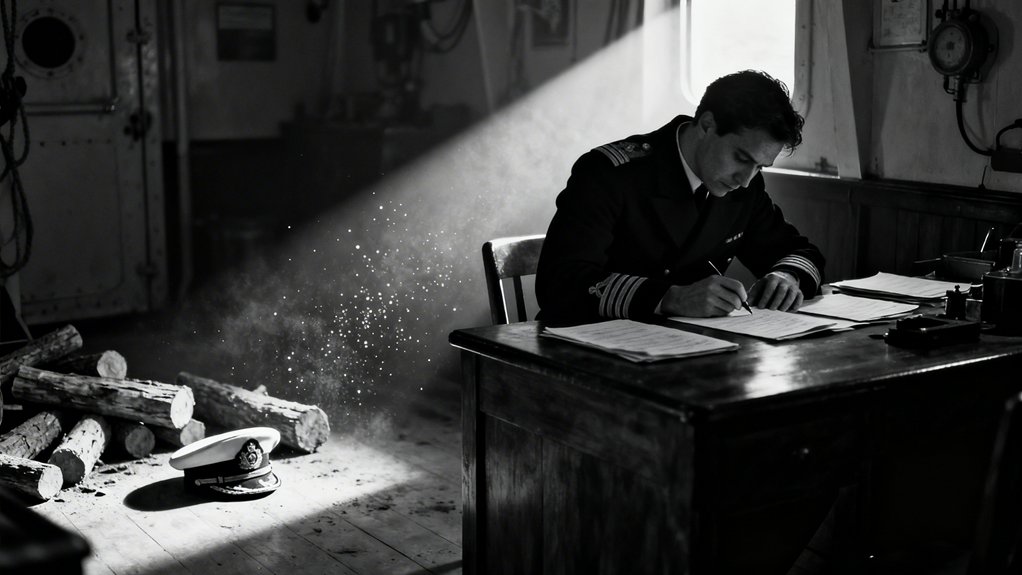
The Pentagon didn’t just file the Vance incident away; they actively scrubbed the 99-day tour from operational histories to shield the Navy’s reputation from a mutiny that smelled too much like institutional rot.
By classifying Arnheiter as a tyrant and burying the junior officers’ secret diary, brass guaranteed the public never questioned who really lost control that year.
This coordinated erasure left only shadows where facts should stand, forcing historians to wonder if the real scandal wasn’t the captain’s madness, but the silence that followed.
A shadow campaign swept through the Pentagon, burying the USS Vance scandal to shield the Navy’s image from the stain of internal mutiny.
Brass feared the public wouldn’t grasp why junior officers circumvented the chain, so they scrubbed records and silenced whispers.
It wasn’t justice; it was survival.
The truth got locked away, leaving only a distorted narrative where Arnheiter became the sole villain.
- Classified files vanished, erasing the officers’ secret diary of grievances.
- Press releases painted the captain as a tyrant, ignoring his demand for perfection.
- Witnesses were reassigned, ensuring no one spoke of the 99-day coup.
Nobody asked if the mutiny saved lives or just comfort.
The institution needed a clean story, not a complex truth.
By crushing the details, they protected the fleet’s reputation but sacrificed the nuance of a command torn apart by philosophy and fire.
The silence speaks louder than any court-martial transcript could.
Intentionally Erasing the 99-Day Tour from Official Vietnam War Operational Histories
Pentagon archivists systematically scrubbed Marcus Arnheiter’s 99-day command from the official Vietnam War logs, treating his tenure like a contagious virus that threatened the Navy’s historical integrity.
They didn’t just file it away; they actively erased the Vance’s patrols, deleting coordinates and silencing radio transcripts.
Who decides what history remembers? The brass claimed necessity, yet their fear reeked of cowardice.
Did Arnheiter deserve exile, or was he merely too rigid for a crumbling war? The records now show a ghost ship sailing nowhere, while the real story rots in classified vaults.
Officers who signed the mutiny diary sleep soundly, knowing their signatures vanished too.
Truth becomes whatever the institution needs to survive.
We’re left staring at blank pages, wondering if justice died alongside those missing entries, buried deep beneath layers of convenient, manufactured silence today.
The Lingering Historical Conflict Between Extreme Military Discipline and Tyrannical Command
Although Arnheiter insisted he was forging warriors through fire, his 99-day reign on the USS Vance blurred the line between necessary rigor and dangerous tyranny.
He demanded perfection while shells screamed overhead, forcing men to study philosophy instead of sleeping. Was this discipline or madness? The crew couldn’t tell anymore.
Fear gripped the deck as officers watched their captain chase glory at any cost. They saw a man who’d burn the ship down just to warm his hands.
The tension snapped when junior officers secretly documented his erratic orders, risking court-martial to stop him. History still wrestles with this ghost: where does duty end and abuse begin?
- Arnheiter forced exhausted sailors to recite military doctrine during active combat patrols.
- Officers compiled a clandestine diary detailing his increasingly unhinged tactical decisions.
- The Navy buried the scandal to protect its own fragile reputation.
This shadow lingers, questioning whether true strength requires breaking spirits or building them. We still don’t know the answer.
Frequently Asked Questions
What Specific Philosophy Texts Did Arnheiter Mandate During Combat?
Arnheiter forced crews to read Marcus Aurelius’s *Meditations* while shells screamed overhead, demanding Stoic calm within chaos.
He didn’t just assign texts; he weaponized philosophy, insisting officers recite passages during firefights to prove their mental fortitude. This bizarre ritual fueled the growing mutiny, as sailors questioned whether their captain sought wisdom or merely a medal.
The specific book mattered less than the terrifying absurdity of studying ethics while death loomed closer every second.
Which Junior Officer Initiated the Secret Diary Compilation Effort?
Ninety-nine days shattered one captain’s career.
Lieutenant Commander Robert W. Hagen initiated the secret diary, rallying peers against Arnheiter’s tyranny.
They didn’t just record; they conspired, bypassing chains of command to save their ship.
Was it mutiny or mercy? The officers sacrificed honor for survival, forcing the Navy’s hand.
Hagen’s pen became a weapon, proving that sometimes, breaking rules saves lives, even if it stains a soul forever in the dark.
Did Arnheiter Receive Any Formal Hearing Before His Midnight Dismissal?
No, they denied him any formal hearing before dragging him from command.
The Navy acted swiftly in the dead of night, bypassing protocol to silence the controversy.
While Arnheiter screamed of a mutiny by mediocre officers, the brass buried the truth to save face.
Was he a tyrant or a victim? The system chose convenience over justice, leaving only shadows where answers should have stood.
How Many Crew Members Faced Disciplinary Action After the Scandal?
Zero sailors faced punishment, a stark irony where mutineers won medals while the captain bore every scar.
The Navy buried the truth, letting rebellious officers walk free as heroes who saved the ship from tyranny. They whispered secrets in dark corridors, escaping scrutiny while Arnheiter’s career crumbled alone.
The institution protected its own, punishing the strict leader and rewarding the covert coup that shattered command without a single reprimand for the conspirators involved.
When Were the Classified Pentagon Documents Regarding Vance Finally Declassified?
The Pentagon never truly accessed those classified files; they simply let the truth rot in obscurity.
Decades passed while the Vance scandal festered in shadowy archives, denying the public any real closure. Officials buried the documents so deep that no official declassification date ever emerged, leaving historians to dig through mud for scraps.
The institution protected itself, ensuring Arnheiter’s “mutiny” remained a ghost story rather than a documented failure of command.
Final Thoughts
The Vance didn’t sink; it drowned in silence. Like Ahab chasing a white whale that never surfaced, Arnheiter hunted glory while his ship rotted. Was it mutiny or mercy? The Pentagon buried the logbook, choosing institutional comfort over truth. We’re left wondering if the real tyrant was the captain demanding perfection or the system that erased him to save its own skin. The ocean keeps its secrets, and so does the Navy.