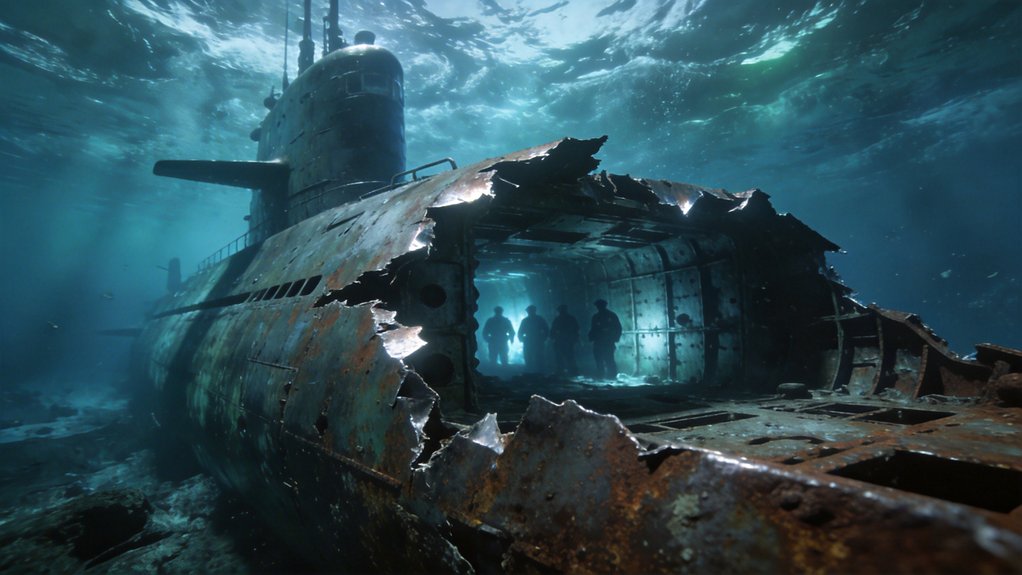
The Kremlin didn’t lose twenty-three men; it sacrificed them. While sailors tapped desperate SOS signals from the frozen ninth compartment, Moscow stalled, rejecting British and Norwegian rescue assets to shield classified torpedo secrets from NATO eyes. Officials let the survival window bleed out, prioritizing state secrecy over human life. This cold calculation turned a tragedy into a criminal cover-up. The full forensic trail of this deliberate abandonment awaits those who dare to uncover the buried truth.
Key Takeaways
- Officials fabricated an instant death narrative to conceal that twenty-three men actually survived the initial blast.
- The Kremlin rejected capable British and Norwegian rescue offers to prevent NATO from accessing classified torpedo technology.
- Commanders deliberately ignored frantic acoustic SOS signals tapped by survivors trapped in the ninth compartment.
- Political paranoia prioritized protecting state military secrets over saving the lives of the stranded sailors.
- A calculated seventy-two-hour delay turned a survivable accident into a preventable mass suffocation of the crew.
Silas Shade Opens The Truth Has A Backstory Files On The August 2000 Kursk Submarine Cover-Up
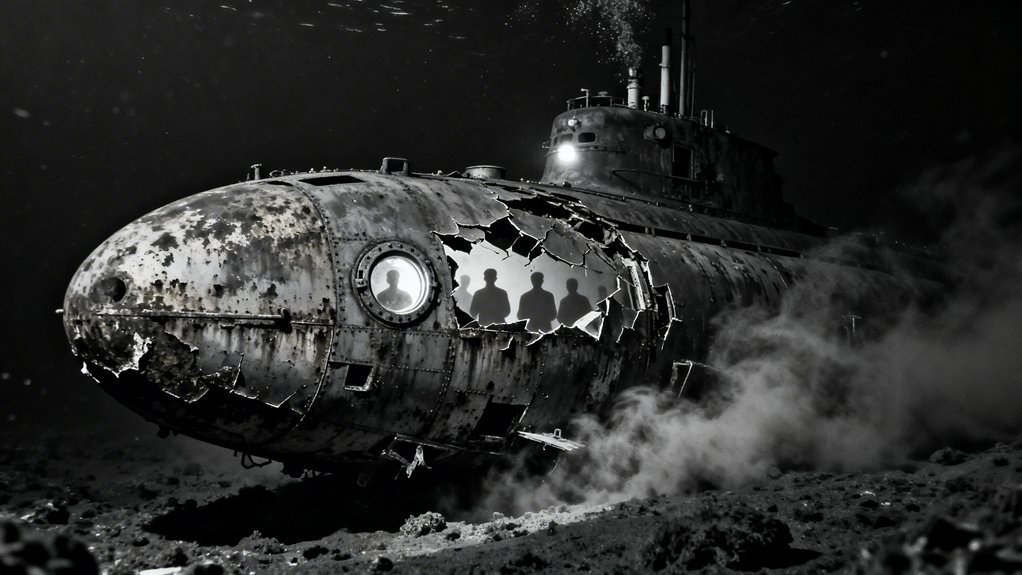
Although the Kremlin buried the truth beneath layers of classified secrecy, investigator Silas Shade has cracked open the “Truth Has A Backstory” files to expose the grim reality of the August 2000 Kursk disaster. He doesn’t accept the official story of instant death; instead, he digs deeper into the chilling evidence suggesting twenty-three men survived the initial blast.
His tenacious work reveals how political paranoia trumped human life during those agonizing days underwater. The kursk submarine cover-up wasn’t merely bureaucratic incompetence; it was a calculated decision to reject foreign rescue aid.
Silas shade investigations uncover documents proving Moscow feared exposing nuclear secrets more than losing its sailors. He traces the frantic SOS taps against the hull, ignored by commanders who valued silence over survival.
This narrative isn’t just about a sunken sub; it’s about a government choosing secrecy over mercy. Shade’s relentless pursuit forces us to confront the horrifying possibility that these men waited for help that never came because leaders deemed their lives expendable assets. Like the 50-year cover-up of the Katyn Massacre where Allied leaders suppressed evidence to preserve political alliances, the Kursk tragedy demonstrates how state interests can systematically bury the truth about preventable deaths.
The Initial Blast In The Barents Sea And The Kremlin’s Fabrication Of The Instantaneous Death Narrative
The Barents Sea swallowed the Kursk whole, but the Kremlin immediately spun a lie about instantaneous death to mask the chaos. Officials claimed the massive blast killed everyone instantly, yet evidence later proved twenty-three men survived, huddled in the aft compartment.
This fabrication served a dark purpose: it bought time to hide secrets rather than save lives. As the world watched the unfolding kursk submarine disaster, Moscow stalled, rejecting critical foreign aid while their own sailors suffocated.
The haunting question remains: why did russia refuse help for kursk when British and Norwegian submersibles stood ready? They feared exposing classified torpedo technology more than losing human lives.
Investigators now peel back layers of deceit, revealing how pride dictated policy. The initial explosion didn’t end the tragedy; the government’s calculated silence did.
Every delayed hour sealed the fate of those tapping SOS signals in the crushing dark, proving the state valued metal over men.
This deliberate suppression of truth to protect institutional image mirrors the systemic cover-up seen in other military disasters where official narratives were fabricated to dismiss evidence and discredit witnesses.
The Harrowing Reality Inside The Shattered Submarine’s Aft Ninth Compartment
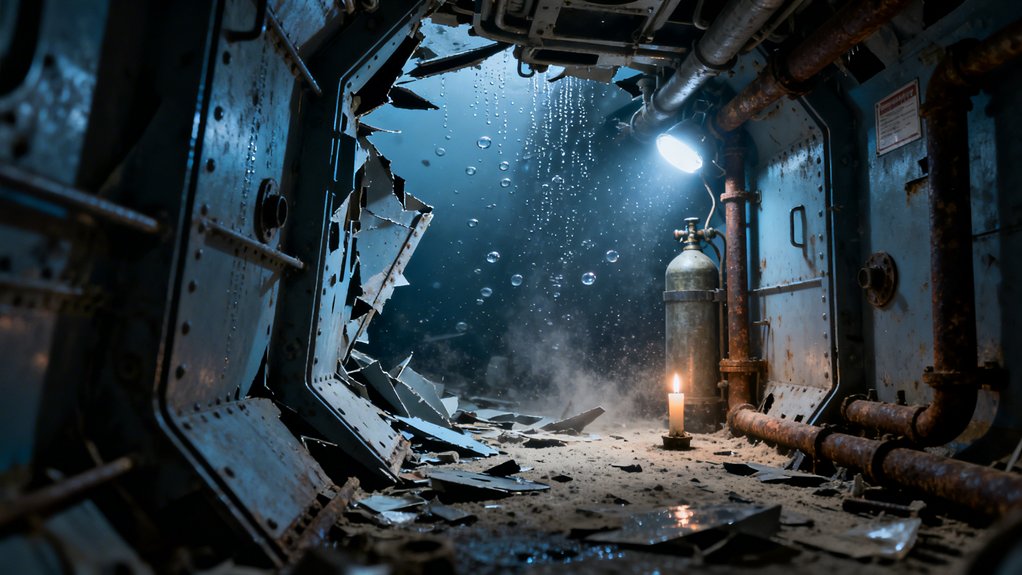
Twenty-three sailors huddled in the freezing darkness of the ninth compartment as their oxygen rapidly vanished. They tapped desperate SOS rhythms against the titanium hull, creating acoustic proof of their agonizing wait.
This systematic signaling exposes the lie of instant death and highlights the cruel silence that followed their pleas for help. Much like the institutional secrecy that buried CIA crimes and destroyed evidence of human experimentation, official narratives obscured the true timeline of the sailors’ suffering to evade accountability.
Battling Freezing Ocean Temperatures And Rapidly Depleting Oxygen In Complete Darkness
Suffocating in the crushing cold, twenty-three men fought a dying battle within the shattered aft ninth compartment as freezing ocean temperatures seeped through the hull and oxygen levels plummeted into the void. These kursk 9th compartment survivors huddled together, their breath visible in the absolute darkness while toxic fumes from the initial blast slowly poisoned the remaining air.
Every second counted, yet no help arrived. The kursk submarine trapped sailors knew death approached silently, stealing warmth and consciousness alike. They didn’t panic immediately; they waited, listening for rescue sounds that never came.
Frost coated their uniforms as hypothermia gripped their bodies, slowing heartbeats until silence finally claimed the group. This wasn’t just an accident; it was a slow, agonizing execution caused by political cowardice refusing foreign aid while men suffocated alone in the deep, dark Barents Sea grave. Their fate mirrored the indefinite imprisonment authorized by emergency wartime laws like DORA, where executive orders condemned individuals to die without trial or hope of rescue based solely on state secrecy and political calculation.
Acoustic Evidence Of Desperation: The Systematic SOS Rhythms Tapped Against The Titanium Hull
A chilling acoustic record pierces the official silence, proving the twenty-three men didn’t die instantly but fought to be heard.
Inside the shattered ninth compartment, survivors tapped rhythmic distress signals against the thick titanium hull. These desperate kursk submarine sos knocks traveled through the freezing water, screaming for help that never arrived.
Investigators later confirmed the distinct patterns, exposing the lie of immediate death. The crew endured hours of terror, believing rescue was imminent while Moscow stalled. This acoustic evidence dismantles the narrative of unavoidable tragedy, revealing instead a calculated choice. Just as the Gulf of Tonkin incident was built on fabricated evidence to justify escalation, the silence surrounding the Kursk served to protect a political image rather than save lives.
Britain And Norway Scramble Advanced Deep-Sea Rescue Assets To Extract The Trapped Sailors
The British and Norwegian governments immediately scrambled their most advanced deep-sea rescue assets, recognizing that specialized technology was the only way to extract the trapped sailors from the Kursk’s ninth compartment. While Moscow stalled, London and Oslo mobilized their elite submersibles, knowing every ticking second drained the survivors’ dwindling oxygen. This urgent deployment of british deep sea rescue kursk capabilities represented humanity’s best shot against the crushing Arctic depths.
Yet, a dark shadow loomed over these heroic efforts. Investigators later uncovered how russian navy cover ups actively obstructed these crucial international lifelines. The Kremlin didn’t merely hesitate; they strategically blocked access, fearing foreign divers might expose classified torpedo secrets hidden within the wreck.
As the rescue teams waited anxiously on the surface, the twenty-three men below tapped their final, desperate messages against the titanium hull. The world possessed the means to save them, but political paranoia ultimately sealed their fate, turning a potential miracle into a calculated tragedy that history won’t soon forget. This deliberate sacrifice of lives to protect state secrets mirrors the immunity cover-up granted to Unit 731 scientists, where geopolitical advantage was prioritized over human accountability and justice.
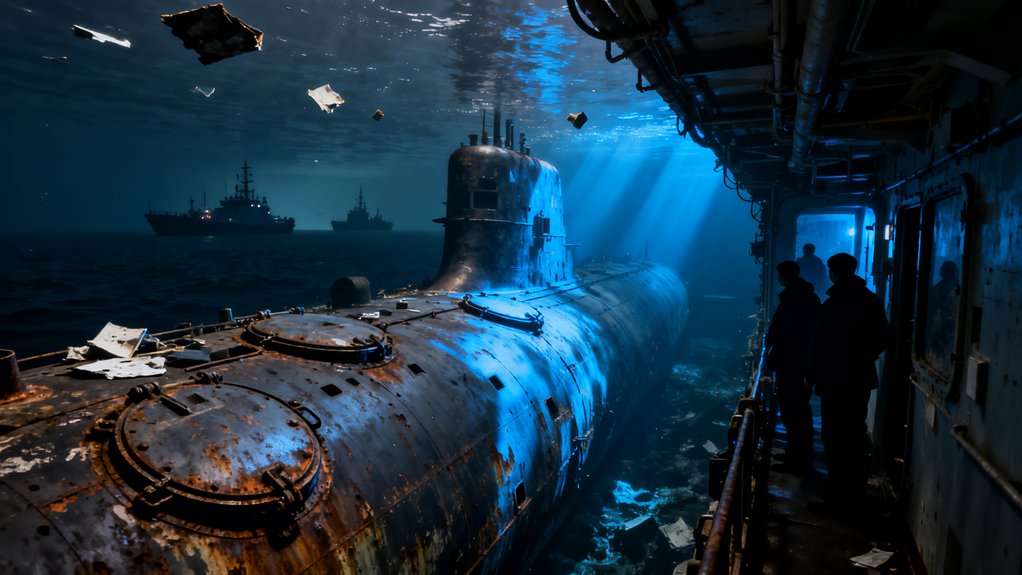
Moscow’s stubborn rejection of British and Norwegian rescue teams wasn’t mere bureaucratic inertia; it was a cold calculation to shield classified torpedo technology from foreign eyes.
This geopolitical standoff paralyzed operations in the Barents Sea, effectively running out the clock on the crew’s critical seventy-two-hour survival window.
As the air grew thin in the ninth compartment, the Kremlin’s priority remained clear: protect state secrets even at the cost of twenty-three lives.
Such institutional obedience mirrors historical precedents like Operation Northwoods, where military leaders explicitly authorized the sacrifice of American lives to justify war and protect strategic narratives.
The Geopolitical Standoff That Paralyzed The Barents Sea Recovery Operations
Although British and Norwegian teams stood ready with the only deep-sea technology capable of reaching the trapped sailors, the Kremlin slammed the door on their aid to shield classified naval secrets. This geopolitical standoff paralyzed the Barents Sea recovery operations while twenty-three men suffocated in the ninth compartment.
Officials stalled, prioritizing hidden torpedo designs over human lives, fueling the enduring russian submarine kursk conspiracy. Investigators still ask why did the kursk sink if the real tragedy was this calculated inaction?
The West watched helplessly as Moscow’s pride built an impenetrable wall around the stricken vessel. Every delayed hour tightened the noose around the survivors’ necks.
The ocean claimed them not because rescue was impossible, but because admitting vulnerability threatened state power. This cold calculus turned a manageable disaster into a mass grave, burying truth alongside the dead. Such state-controlled deception mirrors how militaries globally sanitize realities to protect classified narratives, just as Pentagon VNRs omitted civilian death counts and combat truths from public view.
Running Out The Clock On The Critical Seventy-Two Hour Human Survival Window
Time became the Kremlin’s most ruthless weapon as officials let the critical seventy-two hour survival window bleed out while twenty-three men gasped in the dark.
Moscow rejected British and Norwegian rescue offers, fearing exposed secrets more than losing lives. Investigators still ask: did sailors survive the kursk explosion? Evidence screams yes.
A chilling kursk submarine note found on Captain Kolesnikov’s body detailed their agonizing wait, confirming hope died slowly as oxygen vanished. The state didn’t just fail; they chose silence over salvation.
Every ticking second represented a calculated gamble with human breath. By stalling, bureaucrats guaranteed no foreign divers saw classified tech, dooming the crew to suffocate.
This wasn’t incompetence; it was cold, strategic murder disguised as protocol. The truth remains buried under layers of official lies, yet the note exposes everything. Just as the Downing Street Memo revealed that intelligence was fixed around a predetermined policy of war, the Kursk disaster showed that protecting state secrets was prioritized over human life, proving that in both instances, the decision to sacrifice truth and lives had been made long before the public ever knew.
The Torment Of Prolonged Asphyxiation While Awaiting An Intentionally Withheld Rescue Response
Desperation filled the ninth compartment as twenty-three sailors realized their air was vanishing while capable rescue teams stood idle outside the hull. They tapped frantic SOS signals against the steel, hoping someone heard their dying pleas.
Yet, political paralysis froze the response. The Kremlin rejected British and Norwegian aid, prioritizing state secrets over living breaths. This chilling delay forces us to confront the brutal truth about the Kursk disaster.
Every passing minute drained oxygen, turning hope into suffocating terror. Who’s to blame for the Kursk disaster? Leaders chose silence over salvation, condemning men to a slow, agonizing death in freezing darkness.
The sailors didn’t die instantly; they waited, gasping, as the world argued above them. Their final notes reveal a heartbreaking awareness of abandonment. This wasn’t an accident; it was a calculated sacrifice.
The air grew thin, then gone, stealing lives that foreign divers could have saved had pride not blocked the hatch. Like the CIA’s MKUltra program, this tragedy demonstrates how institutions will violate human rights and sacrifice lives to protect covert operations and state secrets.
Norwegian Deep-Sea Divers Finally Breach The Submarine’s Flooded Aft Escape Hatch
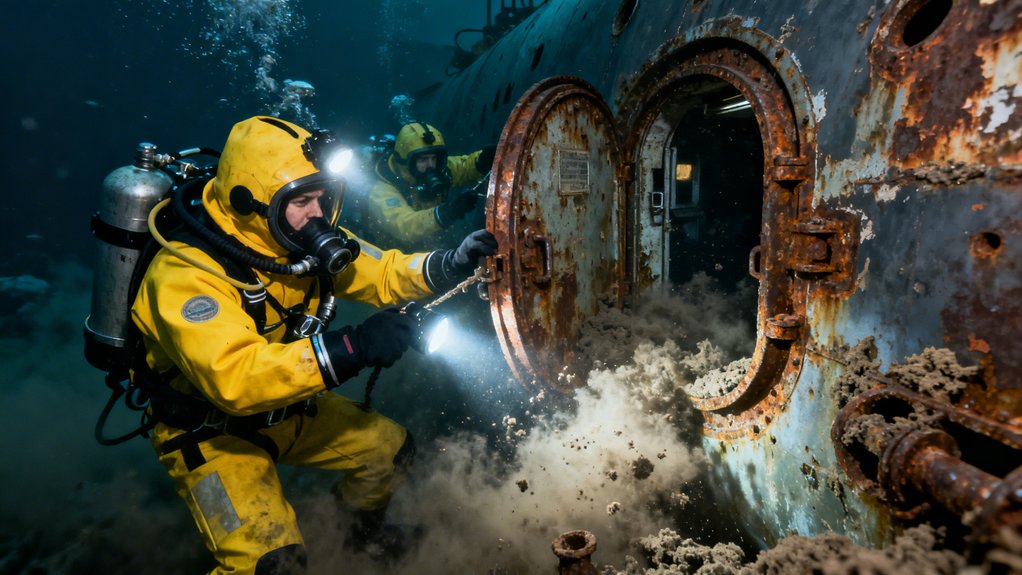
The Norwegian team finally slashed through the rusted seals of the Kursk’s aft escape hatch, piercing the silence that had swallowed twenty-three men. Their tenacious descent into the Barents Sea submarine disaster revealed a grim tableau frozen in time. Water flooded the ninth compartment, confirming the crew’s fate after days of waiting.
Norwegian divers slashed through rusted seals, piercing the silence that had swallowed twenty-three men in the Barents Sea.
Investigators now scrutinize unclassified Kursk submarine files to understand why help arrived too late. The scene tells a harrowing story of betrayal.
- Divers found bodies clustered near the sealed door.
- Oxygen levels had plummeted before the breach occurred.
- No signs of instant explosion death were present inside.
- Evidence points to a deliberate delay in rescue efforts.
This operation didn’t just open a hatch; it exposed a calculated sacrifice. The divers’ actions forced the world to confront the reality that political secrecy outweighed human life.
Every cut through the metal echoed the ignored SOS signals from within. The truth, now visible, demands accountability for the lost sailors who died waiting for a rescue their government refused to authorize.
Recovering The Damning Handwritten Note From A Deceased Sailor’s Uniform Pocket
Divers pull a crumpled note from a dead sailor’s pocket, instantly shattering the Kremlin’s lie of instant death.
This scrap of paper holds the final, desperate words of men who waited days for a rescue their own government blocked.
Now, forensic translators race to decode every ink stroke that exposes the state’s calculated sacrifice of its own crew.
Forensic Translation Of The Final Words That Shattered The Russian Ministry’s Cover-Up Story
Although the Kremlin insisted the crew perished instantly, forensic translators later decoded a crumpled note pulled from a dead sailor’s pocket that tore their lie apart. The ink, smeared by sweat and fear, detailed hours of waiting while air grew thin.
Investigators now focus on four damning revelations:
- Timestamps proving survival long after the initial blast.
- Requests for foreign aid explicitly denied by Moscow.
- Desperate attempts to seal the compartment against rising water.
- Final words blaming command, not fate, for their doom.
This translation didn’t just correct a timeline; it exposed a calculated sacrifice. The sailors knew help was available yet withheld. Every translated phrase underscored the betrayal, turning a tragic accident into a criminal cover-up.
The note’s raw urgency shattered the Ministry’s narrative of instantaneous death, revealing instead a slow, preventable suffocation. Authorities can’t hide from these written truths anymore. The paper survived the sea, and now it speaks for the silenced.
The Diplomatic Fallout And Global Backlash Against The Russian Government’s Lethal Secrecy
Once the note from the ninth compartment surfaced, the Kremlin’s silence shattered under a wave of global condemnation that exposed its lethal prioritization of secrets over lives.
International allies didn’t just offer help; they begged Moscow to accept their advanced rescue systems. Yet, Russian officials stalled, lied, and ultimately rejected every foreign hand extended in desperation.
This wasn’t mere bureaucratic hesitation; it was a calculated choice to let twenty-three men suffocate rather than risk exposing naval codes to NATO divers.
As news of the refusal spread, diplomatic channels ignited with fury. Western leaders demanded answers while families screamed for justice against a wall of state denial.
The world watched in horror as pride drowned hope. Every hour of delay became an indictment of a regime valuing classified data above human breath.
No amount of subsequent mourning could wash away the stain of this deliberate abandonment. The global community now saw clearly: the Kremlin had sacrificed its own sons to guard empty secrets, turning a tragedy into an unforgivable crime against humanity itself.
Silas Shade’s Final Audit: Weighing Bureaucratic Incompetence Against Cold-Blooded State Sacrifice
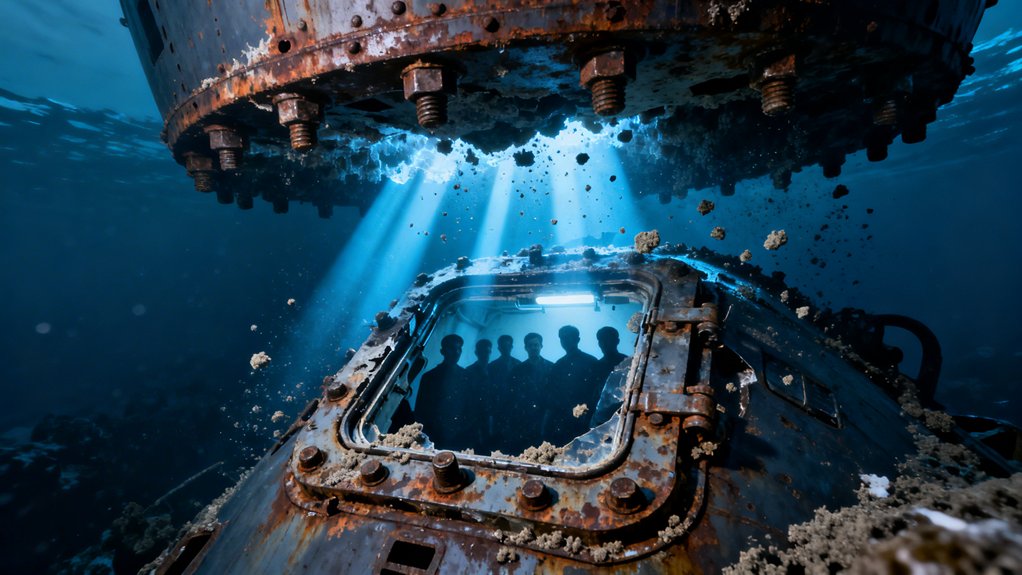
Silas Shade tears through the Northern Fleet’s chain of command to expose how bureaucratic paralysis masked a calculated decision to let twenty-three men suffocate.
He uncovers evidence proving the state didn’t just fail its sailors; it actively sacrificed them to guard classified torpedo secrets from foreign rescuers.
This audit strips away the veneer of incompetence to reveal a cold-blooded order that valued military intelligence over human life.
Deconstructing The Deliberate Failures Of The Russian Northern Fleet’s Chain Of Command
While the Northern Fleet’s brass scrambled to fabricate a narrative of instantaneous death, the ticking clock in the ninth compartment exposed a chain of command that chose secrecy over salvation. Silas Shade’s audit reveals this wasn’t mere bungling; it was a calculated paralysis.
Commanders ignored desperate SOS taps, prioritizing classified torpedo specs over breathing men. They stalled while air turned toxic.
Consider these damning failures:
- Admirals delayed reporting the disaster to Moscow for hours.
- Rescue teams stood ready but received no launch orders.
- Foreign aid offers were rejected outright due to paranoia.
- Internal logs were altered to mask the survival window.
This hierarchy didn’t just fail; it actively obstructed every potential lifeline. The silence from above screamed louder than the explosions below. Bureaucratic inertia became a death sentence, proving the system valued secrets more than its own sailors’ lives.
Establishing The Motive For The State-Sanctioned Extermination Of The Twenty-Three Survivors
Paranoia, not incompetence, drove the Kremlin’s lethal calculus. Silas Shade’s audit reveals a chilling truth: Moscow feared foreign divers more than death itself.
When Britain and Norway offered immediate rescue capabilities, Russian commanders stalled, terrified that NATO technicians would inspect the Kursk’s classified weaponry. This wasn’t mere bureaucratic fumbling; it was a cold-blooded choice. The state sacrificed twenty-three living men to shield military secrets from prying eyes.
While sailors tapped desperate SOS signals in freezing darkness, officials debated geopolitical risks instead of saving lives. Shade confirms the delay was intentional. They let the air run out rather than risk exposure.
The recovered note proves they waited for help that never came because the government deemed their silence more valuable than their survival. Ultimately, the Kremlin executed its own sailors to protect a shattered reputation and hidden technology.
The Enduring Forensic Legacy Of The Kursk Cover-Up And The Men Sacrificed For Military Secrets
Every recovered artifact from the Kursk’s ninth compartment screams a silent indictment of the state that abandoned its own sons.
Investigators now piece together a chilling forensic legacy where bureaucracy murdered men who’d already survived hell.
The evidence doesn’t just suggest negligence; it proves calculated sacrifice.
Divers found notes detailing fading hope while foreign rescue ships waited offshore, ignored by a Kremlin terrified of exposing secrets.
This isn’t merely history; it’s an open wound in maritime justice that refuses to scar over.
- SOS rhythms tapped on hull plates confirm survivors lived days post-blast.
- Recovered diaries document the exact moment hope died alongside oxygen levels.
- Official logs show deliberate rejection of British and Norwegian deep-sea aid.
- Autopsy reports reveal suffocation occurred long after the initial explosion ceased.
The truth remains buried under layers of classified red tape, yet the physical proof screams louder than any official denial ever could.
These twenty-three men didn’t just die; they were executed by silence, their final breaths traded for state security protocols that valued machinery over human life.
The forensic trail leads directly to leadership choices that condemned them to darkness.
Frequently Asked Questions
Who Specifically Ordered the Rejection of Norwegian Rescue Help?
No single name appears in public records ordering the rejection. Instead, the Kremlin’s collective leadership blocked Norwegian aid. They prioritized hiding torpedo secrets over saving lives.
Officials stalled while twenty-three men suffocated in the dark. This wasn’t just bureaucracy; it was a calculated choice. The state sacrificed sailors to protect classified tech, leaving the world to wonder who exactly signed their death warrants within those closed doors.
How Long Did the Twenty-Three Men Survive in the Ninth Compartment?
They survived for roughly eight hours, tapping desperate rhythms against the cold steel as oxygen slowly vanished. Darkness swallowed them while the world above hesitated.
Those twenty-three men fought freezing tides, clutching hope that rescue ships were coming. But time ran out before help arrived.
Their final notes reveal a agonizing wait in the ninth compartment, where silence eventually claimed every last breath they struggled to keep.
What Exact Military Secrets Were Prioritized Over the Sailors’ Lives?
The Kremlin prioritized hiding the Shkval torpedo’s advanced guidance systems and the submarine’s acoustic signature from NATO divers. Officials feared foreign rescuers would map the vessel’s classified hull design or recover intact weapon prototypes.
They’d rather let twenty-three men suffocate than risk exposing these sensitive naval technologies. The state sacrificed human lives to guard its most deadly underwater secrets, choosing silence over a desperate, international rescue effort.
Did Any Crew Members Survive After the Divers Opened the Hatch?
No, not a single soul breathed when divers finally pried that heavy hatch open.
Coincidentally, the rescue team arrived just as the last oxygen vanished, sealing their fate in freezing darkness.
They found twenty-three men huddled together, long gone. The note in a pocket screamed their silent wait.
Officials claimed instant death, but the cold, hard truth showed they died waiting for help that never came in time.
Why Was the Initial Report of Instant Death Fabricated by Officials?
Officials fabricated the instant death story to mask their fatal hesitation.
They didn’t want the world knowing twenty-three men waited in the dark while bureaucrats stalled.
By claiming everyone died immediately, they erased the window where foreign rescue could’ve worked.
This lie protected state secrets but condemned living sailors.
They chose silence over survival, burying the truth along with the crew to hide their own cowardice and calculated neglect.
Final Thoughts
Silas Shade exposes how Moscow buried twenty-three men alive to guard secrets. While Britain and Norway waited, the Kremlin chose silence over salvation. Those sailors tapped their final breaths against cold steel, abandoned by their own command. As the old saying goes, “the truth may be slow, but it never sleeps.” This forensic audit proves their deaths weren’t an accident; they were a calculated sacrifice. The Barents Sea holds their bones, but history now holds the state accountable for this cold-blooded betrayal.