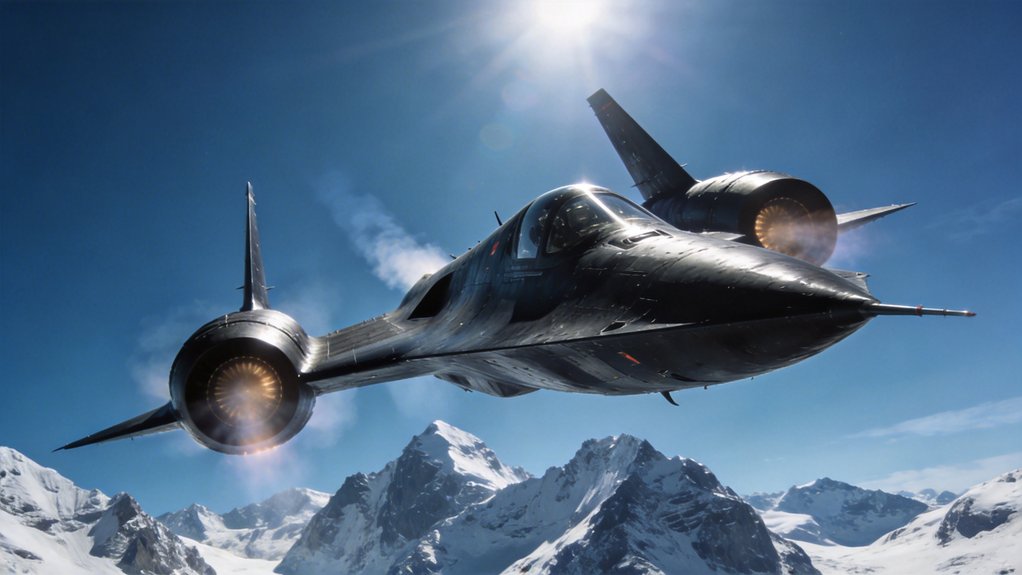
The SR-71 Blackbird demanded titanium to survive Mach 3 heat, yet the USSR controlled the ore. The CIA orchestrated a brilliant deception, creating a web of shell companies across Europe to secretly purchase Soviet metal. Unwitting Russian exporters shipped the very alloy needed to build the plane spying on them. This covert pipeline fueled Lockheed’s Skunk Works while Moscow remained blind. The full scope of this audacious logistical betrayal only surfaced when hidden ledgers finally opened.
Key Takeaways
- The CIA needed Soviet titanium because the USSR held a near-total monopoly on the ore in the 1960s.
- Operatives created a global network of fictitious shell companies across Europe and Asia to mask purchases.
- Dummy corporations used false end-user certificates to buy raw metal for alleged civilian industrial projects.
- Soviet export agencies eagerly shipped the titanium for hard currency, unaware it built the SR-71 Blackbird.
- Post-Cold War archives revealed Moscow unknowingly supplied the critical materials for America’s ultimate spy plane.
The Mach 3 Paradox: Engineering the SR-71 Blackbird to Surveil the Soviet Union
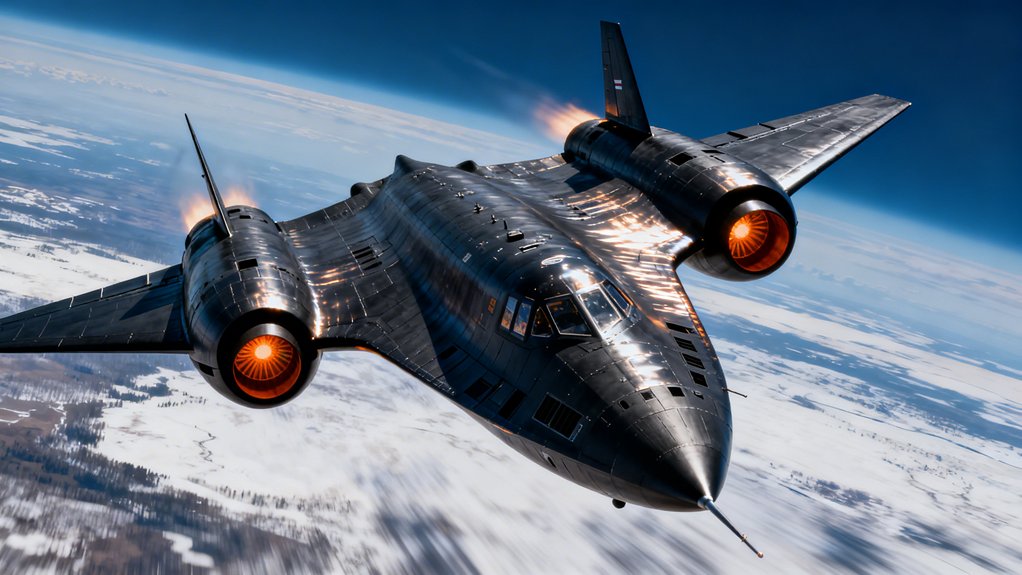
Although the SR-71 Blackbird was engineered to spy on the Soviet Union, its very existence depended on a material only Moscow could supply. Engineers faced a brutal paradox: standard aluminum airframes melted instantly under the searing heat generated by Mach 3 flight.
They needed titanium, a rare metal capable of withstanding such extreme temperatures, yet the Soviet Union controlled the global supply during the height of the Cold War. How could America build its ultimate spy plane using the enemy’s own resources?
America needed Soviet titanium to build its ultimate spy plane, turning enemy resources into a Cold War paradox.
The CIA orchestrated a brilliant, clandestine solution. Through a complex web of cia shell companies cold war operatives established fictitious corporations across Europe and Asia.
These dummy entities quietly purchased vast quantities of essential mach 3 aircraft materials directly from Russian suppliers. Moscow never suspected that the titanium they sold was destined to form the skin of the very aircraft tracking their military secrets.
This audacious procurement strategy turned geopolitical rivalry into an unwitting partnership, allowing the Blackbird to soar where no other plane could survive, demonstrating the same institutional capacity for covert operations later exposed by the Church Committee when it revealed how the agency buried its crimes through secrecy and evidence destruction.
Atmospheric Friction at the Edge of Space: Why Standard Aluminum Airframes Melted Instantly
At 85,000 feet, atmospheric friction doesn’t just warm the airframe; it instantly melts standard aluminum into a puddle.
Engineers faced a brutal reality where only pure titanium could withstand the 1,000-degree outer skin temperatures demanded by Mach 3 flight. This metallurgical imperative forced the CIA to seek a metal that defied conventional aerospace constraints, even if the source remained their greatest adversary. The urgency to secure such advanced materials mirrored the strategic precedent set by Operation Paperclip, where the U.S. government falsified dossiers to rapidly integrate former Nazi scientists and their specialized knowledge into American defense programs.
The Thermal Barrier: Surviving 1,000-Degree Outer Skin Temperatures at 85,000 Feet
Three times the speed of sound pushed the SR-71’s skin to 1,000 degrees Fahrenheit, a thermal barrier that instantly melted standard aluminum airframes.
At 85,000 feet, sr-71 atmospheric friction didn’t just warm the jet; it cooked the very air sliding over its wings. Pilots watched windows glow cherry-red while fuel leaked from seams, only to seal tight as the sr-71 blackbird titanium expanded under the brutal heat.
This wasn’t merely flying; it was surviving a controlled re-entry without leaving the atmosphere. Every rivet held its breath against the inferno, proving that only this exotic metal could endure such velocity.
The aircraft breathed fire yet remained intact, a silent ghost screaming through the sky while ordinary metals would have dissolved into useless slag within seconds of hitting Mach 3.
Like the earlier U-2 spy plane that forged UFO myths from the shadows of secrecy, this successor operated in an extreme stratospheric realm where conventional physics seemed to break down.
Aerospace Metallurgical Constraints: The Absolute Necessity for a Pure Titanium Airframe
Aluminum, the backbone of conventional aviation, turned to liquid slag the moment the SR-71 punched through the sound barrier three times over. At eighty-five thousand feet, atmospheric friction heated the skin to over one thousand degrees, instantly destroying standard airframes. Engineers faced a brutal reality: they needed a metal that wouldn’t surrender to this inferno.
This crisis answers why did the SR-71 need titanium; only its unique crystalline structure could withstand such searing thermal stress without warping or failing. Consequently, the Lockheed SR-71 titanium fuselage became non-negotiable for survival.
Every rivet and panel demanded this exotic alloy to maintain structural integrity while screaming across the sky. Without this specific metallurgical choice, the Blackbird would have simply dissolved mid-flight, leaving nothing but a trail of molten debris against the cold void of the upper atmosphere.
The 1960s Global Supply Chain Crisis: Moscow’s Near-Total Monopoly on Usable Titanium Ore
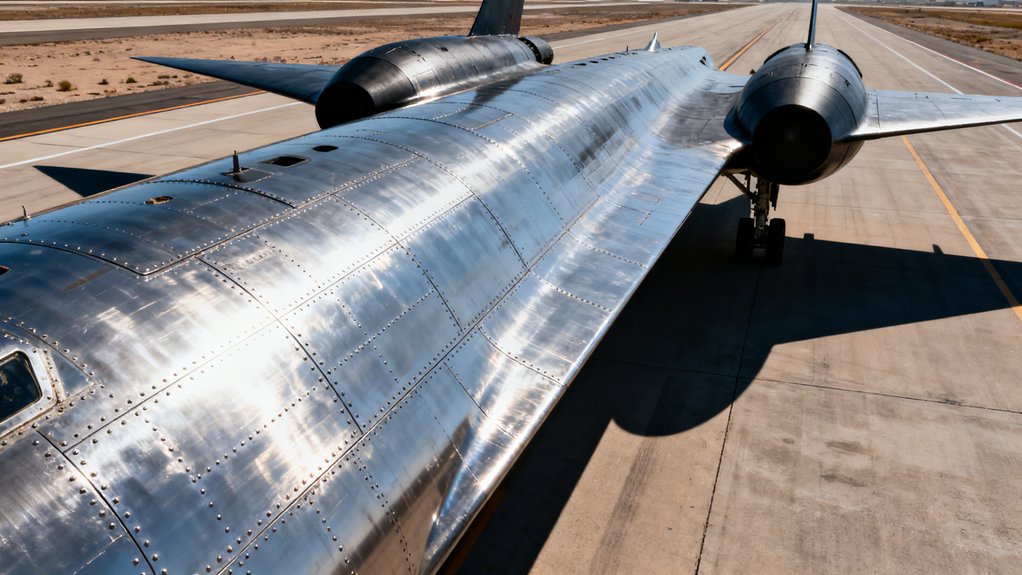
Although the Cold War fractured the globe into opposing blocs, the Soviet Union held a near-total monopoly on usable titanium ore throughout the 1960s, creating a critical supply chain crisis for American aviation.
Engineers designing the SR-71 Blackbird faced an impossible paradox: they needed soviet titanium sr-71 components to withstand Mach 3 heat, yet their primary adversary controlled every viable mine. Standard aluminum melted instantly under such friction, leaving titanium as the only structural option.
This geological reality trapped Washington in a desperate bind. How did the cia get titanium for the sr-71 when Moscow guarded its deposits like state secrets?
The stakes couldn’t have been higher; without this metal, the spy plane remained a grounded dream. Every ton of ore represented a strategic vulnerability, forcing intelligence officers to concoct audacious schemes. They couldn’t simply request the material openly, so they looked toward the shadows, utilizing the same offshore financial networks that would later facilitate the CIA’s covert use of BCCI to move black budgets beyond audit trails.
The global market offered no alternatives, making the Soviet stash the singular, ironic key to activating America’s fastest aircraft during its most tense geopolitical standoff.
Architecting the Shadow Supply Chain: The CIA Network of Covert Dummy Corporations
The CIA spun a web of fictitious brokers across Europe to mask the true American hunger for Soviet titanium.
These shell companies laundered every dollar through layers of deception, ensuring Moscow never spotted the Pentagon’s fingerprint on the contracts.
This strategy of trading morality for strategic advantage mirrored the later decision to grant war crimes immunity to Unit 731 scientists in exchange for their biological warfare data.
Establishing Third-Party Shell Companies to Obfuscate American Aerospace Buyers
Deception became the primary alloy in the CIA’s shadow supply chain, forcing agents to architect a labyrinth of dummy corporations that masked American aerospace buyers from Soviet scrutiny. They couldn’t let Moscow know Skunk Works needed their metal.
The operation demanded absolute secrecy while executing massive skunk works titanium procurement. Agents built fake entities across Europe to hide the true destination. Every transaction required layers of misdirection to fool KGB watchers effectively.
- Registered fictitious firms in neutral nations to bypass export controls.
- Created false end-user certificates claiming civilian industrial applications for the metal.
- Rotated cia dummy corporations frequently to prevent pattern recognition by analysts.
- Utilized intermediaries who remained unaware they served a covert military program.
This elaborate web guaranteed the USSR sold the very titanium needed to build the plane spying on them. The system worked flawlessly, hiding America’s greatest secret within plain sight of its enemy.
Laundering the Financial Procurement Trail Through Fictitious International Brokers
Laundering the financial trail through fictitious brokers, the CIA wove a shadow supply chain that turned Soviet metal into American stealth.
Agents created layers of dummy corporations across Europe, masking every transaction with complex paperwork. They didn’t just buy; they orchestrated a global deception where money vanished into offshore accounts before reappearing as legitimate trade.
This meticulous dance guaranteed Moscow never suspected their titanium was fueling the very spy plane Soviet materials destined to expose them.
During the height of the CIA covert operations Cold War, these brokers moved billions without raising alarms. The Soviets shipped crates blindly, believing they served neutral clients.
In reality, each ingot strengthened the Blackbird’s frame, enabling Mach 3 flights over Russian soil. The irony remains sharp: the enemy funded their own surveillance, duped by a financial ghost story written in classified ink and executed with ruthless precision by intelligence architects. Much like the offshore shell companies used to conceal billions in illicit capital flight for Banco Ambrosiano, these covert entities ensured the true destination of the funds remained invisible to regulators and adversaries alike.
Tricking the Kremlin: How Soviet Export Agencies Unwittingly Supported American Reconnaissance
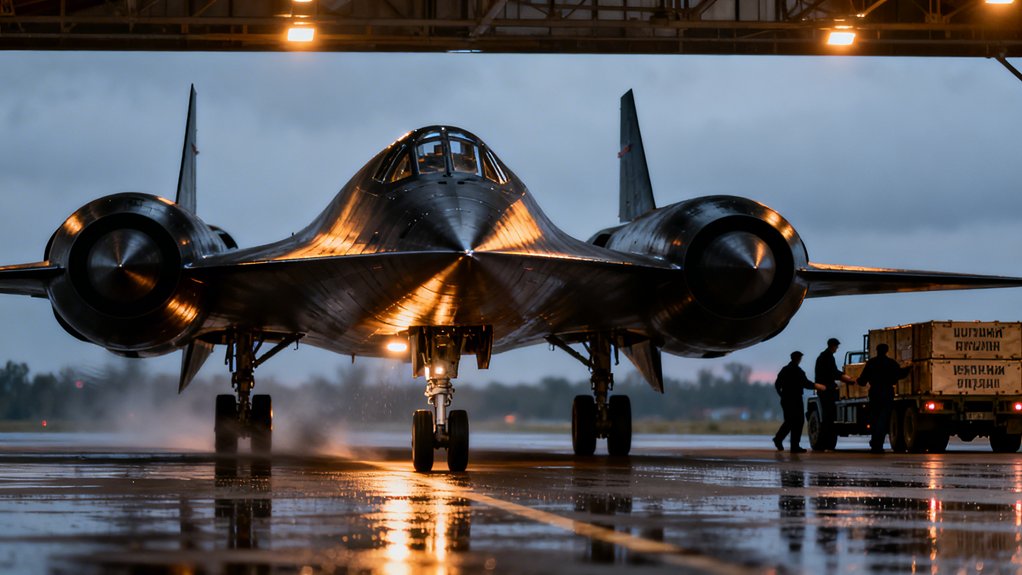
Although Moscow controlled the global supply of titanium in the 1960s, the CIA didn’t let that stop them from building the Mach 3 SR-71 Blackbird.
They crafted an elaborate deception, funneling requests through innocent-looking European brokers who never questioned the end user.
Soviet export agencies, keen for hard currency, shipped the critical metal directly to American hands without suspicion.
This ironic cycle meant the very enemy they spied upon funded their surveillance.
The truth has a backstory sr-71 enthusiasts often miss: the adversary supplied the shield.
Consider how this unfolded:
- Fake companies placed large orders for industrial components.
- Brokers routed payments through multiple international banks.
- Soviet officials approved exports believing they aided civilian projects.
- Crates arrived at Skunk Works containing the secret alloy.
Investigators still ask where did sr-71 titanium come from, unaware it originated in Soviet mills.
The Kremlin fundamentally armed the bird that watched them.
Every rivet held a double meaning, forged in secrecy and delivered with bureaucratic blindness.
This audacious scheme turned Cold War tension into a strange, unwitting partnership.
Such state-level deception mirrors later revelations like Operation Northwoods, where U.S. military leaders similarly plotted to fabricate attacks and manipulate public perception to justify war.
Skunk Works Manufacturing Obstacles: Machining the Secretly Acquired Soviet Metal
Once the smuggled Soviet titanium reached Skunk Works, the team discovered their standard tool steel bits shattered instantly against the unforgiving alloy. Engineers couldn’t simply swap out the broken cutters; they’d to invent entirely new machining equipment capable of handling the metal’s unique hardness without warping the airframe. Every spark from these custom tools represented a precarious battle to shape the very skin that would soon outrun missiles over enemy territory. This engineering secrecy mirrors how manufactured doubt was later weaponized by industries to obscure factual risks and delay regulatory action.
Tool Steel Failures and the Requirement to Invent Specialized Titanium Assembly Equipment
Even after the CIA’s shell companies secured the Soviet titanium, Skunk Works engineers discovered that standard tool steel drills shattered instantly upon contact with the secret metal’s abrasive grain.
This crisis forced them to uncover critical sr-71 blackbird design secrets while solving exactly where did sr-71 titanium come from. They couldn’t just buy better tools; they’d to invent everything.
- Engineers developed custom tungsten-carbide drill bits capable of withstanding extreme friction.
- They designed specialized cooling systems using cryogenic fluids to prevent warping.
- Mechanics created unique jigs to hold the flexible titanium sheets steady.
- The team invented new welding techniques to join panels without weakening them.
Every breakthrough demanded absolute precision, turning the factory floor into a laboratory.
They weren’t merely building a plane; they were forging an entirely new manufacturing language. Without these radical innovations, the Blackbird would have remained grounded, its impossible speed locked behind unbreakable metal.
Sustaining the Material Pipeline: Securing Enough Titanium for the Entire SR-71 Fleet
Deception demanded a relentless rhythm to keep the SR-71 fleet airborne, for a single aircraft couldn’t survive on Mach 3 speeds without tons of Soviet-sourced titanium. Moscow held the world’s monopoly, creating a paradox where America’s greatest spy plane relied entirely on its enemy.
The CIA constructed an elaborate web of shell companies across Europe and Asia to mask their true intent. These dummy corporations quietly purchased massive shipments of raw metal, funneling the critical resource back to Lockheed’s secret Skunk Works facility.
Every ingot carried the weight of immense risk; discovery would have halted production instantly. This audacious supply chain remains one of the most compelling chapters in sr-71 blackbird history, illustrating how necessity drove innovation.
Agents navigated complex geopolitical minefields daily, ensuring the pipeline never dried up. Such daring maneuvers define the very essence of cold war espionage stories, where truth hid behind layers of corporate fiction.
The Soviets ultimately funded the very aircraft designed to expose their deepest secrets, unaware they were arming their own surveillance.
Just as Israeli intelligence once utilized false-flag bombings to manipulate geopolitical outcomes, the CIA’s titanium procurement relied on a similar architecture of deception to sustain its strategic advantage.
Operational Dominance: Outrunning Soviet Interceptors and Surface-to-Air Missiles at Mach 3
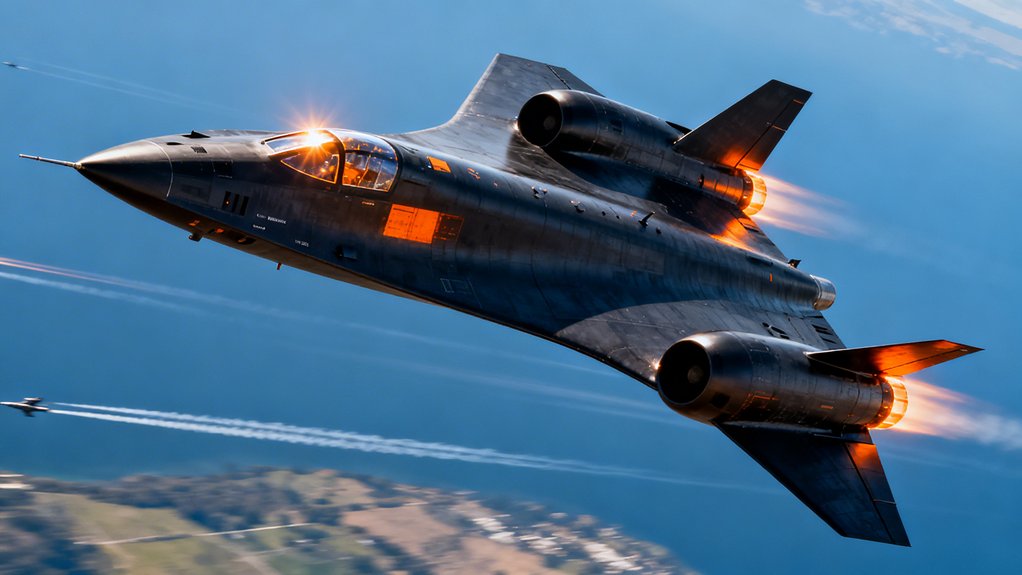
Although Soviet radar operators often spotted the intruder, they couldn’t intercept a target that outran their missiles. The sr-71 blackbird simply accelerated, leaving frantic Soviet pilots choking on its exhaust while surface-to-air missiles fell harmlessly behind.
As the fastest spy plane ever built, it turned evasion into an art form, mocking Moscow’s best defenses with sheer velocity. Pilots watched gauges climb as friction heated the titanium skin, yet the jet held firm against the screaming atmosphere.
- Engines surged to Mach 3.2, outrunning incoming ordnance easily.
- Radar warnings flashed, but response times lagged far behind speed.
- Intercept attempts failed as the aircraft climbed above missile ceilings.
- Soviet command centers scrambled futilely against an untouchable ghost.
Every mission proved that speed offered better protection than any stealth coating or electronic jamming could provide.
The crew trusted their machine implicitly, knowing nothing in the Soviet arsenal could catch them once they hit full throttle. This operational dominance guaranteed America gathered critical intelligence without ever losing a single aircraft to enemy fire, cementing the Blackbird’s legendary status forever. Unlike the indefinite imprisonment authorized under Britain’s Defence of the Realm Act which stripped citizens of due process, the Blackbird’s crews faced no legal persecution at home for their high-stakes espionage missions.
The Ultimate Cold War Irony: Using Moscow’s Natural Resources to Monitor Soviet Nuclear Silos
Behind the classified blueprints lay a geopolitical paradox where the CIA secretly bought the very titanium needed to build the SR-71 from the Soviet Union itself. Moscow held a global monopoly on this heat-resistant metal, essential for an aircraft surviving Mach 3 friction. Engineers couldn’t use aluminum; it simply melted.
So, intelligence operatives crafted a labyrinth of shell companies across Europe and Asia. These dummy corporations quietly purchased tons of Soviet ore, funneling it back to Lockheed’s secret Skunk Works facility.
The irony cut deep: the USSR unknowingly forged the skin of the bird designed to photograph its own nuclear silos. Critics often ask, did the ussr supply the sr-71? Absolutely. Every rivet holding that black spy plane together originated from the enemy’s mines.
While Soviet leaders tightened borders against Western spies, they simultaneously shipped the critical materials allowing those spies to soar undetected above their most guarded secrets. This clandestine trade turned Moscow’s natural wealth into America’s ultimate aerial advantage without a single Kremlin official realizing the betrayal until decades later.
Post-Cold War Revelations: The Aftermath of Moscow Realizing They Supplied the Blackbird
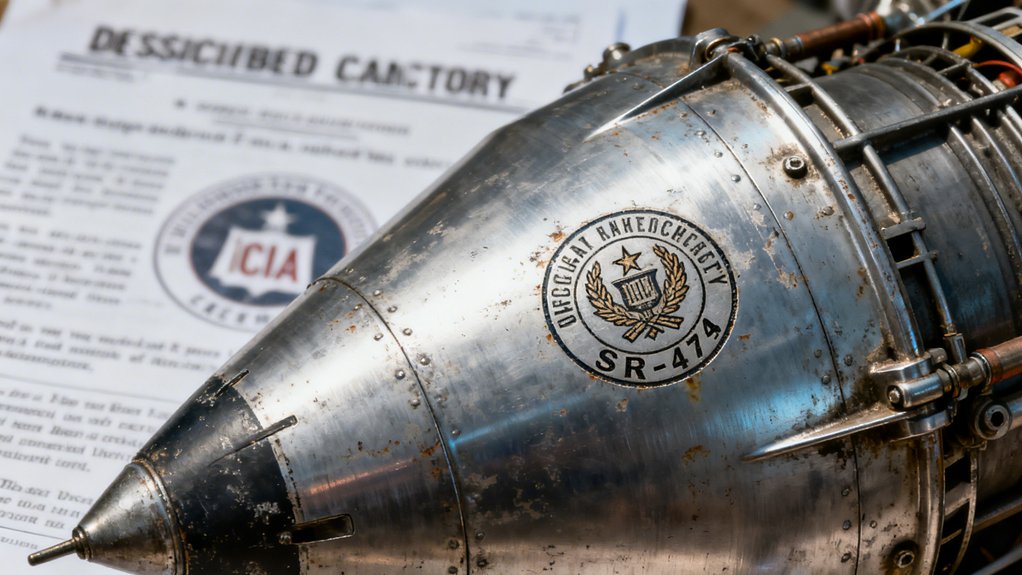
Nothing prepared Soviet archivists for the sting of post-Cold War disclosures revealing they’d literally forged the SR-71’s skin.
As Berlin’s walls crumbled, hidden ledgers surfaced, exposing a humiliating reality where Moscow funded its own surveillance. The realization hit hard; their metal had soared undetected over their most secret sites for decades.
Historians now trace the ironic supply chain through four chilling facts:
- Dummy corporations masked American identities while buying tons of Soviet titanium directly from state mines.
- Russian metallurgists unknowingly refined the exact alloy needed to withstand Mach 3 friction heat.
- Intelligence officers celebrated capturing spy planes, never suspecting they owned the very airframes they shot at.
- Declassified manifests prove the USSR supplied enough material to build the entire Blackbird fleet secretly.
This betrayal wasn’t military but logistical, a silent theft woven into global trade. The Soviets didn’t just lose the spy game; they built the player.
Every rivet told a story of deception that only freedom could finally expose to the world today.
Truth Has A Backstory: Silas Shade’s Forensic Audit of Declassified Intelligence Files
Silas Shade pulls back the curtain on declassified files, tracing a jagged paper trail from Langley’s phantom shell companies straight to the Soviet Ministry of Metallurgy.
He meticulously reconstructs the extreme logistics that allowed CIA operatives to smuggle tons of titanium out of Moscow without raising a single red flag.
This forensic audit exposes how the agency’s clever procurement strategy turned the USSR into an unwitting partner in building the very aircraft designed to spy on it.
Tracing the Paper Trail From Langley Shell Companies to the Soviet Ministry of Metallurgy
Through layers of fabricated ledgers and ghostly corporate veils, the CIA’s procurement officers wove a paper trail that led directly from Langley’s shadow offices to the Soviet Ministry of Metallurgy.
They didn’t just buy metal; they engineered an elaborate deception where Moscow unknowingly funded its own surveillance.
Silas Shade’s audit reveals how agents masked every transaction:
- Creating dummy firms in neutral European nations to hide American origins.
- Forging end-user certificates claiming civilian industrial applications for the titanium.
- Routing payments through obscure Swiss banks to obscure the money trail.
- Shipping raw ingots via third-party freighters to avoid direct US-Soviet contact.
This meticulous forgery allowed the US to secure enough heat-resistant alloy for the SR-71’s skin.
The Soviets never suspected their precious resource was becoming the very aircraft hunting their secrets.
Every signature faked, every route plotted, guaranteed the Blackbird could fly while its enemies supplied the wings.
Declassifying the Extreme Logistics Behind the CIA Materials Procurement Strategy
By the time auditors peeled back the redacted layers of declassified files, the sheer audacity of the CIA’s logistical web stood exposed.
Silas Shade’s forensic audit reveals how Langley didn’t just buy titanium; they engineered a global ghost market. Dummy corporations in Europe and Asia danced through complex trade routes, masking the ultimate source: Moscow itself. The Soviets, desperate for hard currency, sold the very metal that would let American spies soar above them at Mach 3.
It wasn’t merely procurement; it was strategic irony weaponized through paperwork. Every invoice hid a lie, every shipping manifest concealed a mission. The CIA’s genius lay not in hiding the plane, but in hiding the skin that made it fly.
They turned their enemy’s resource into the tool of their own surveillance, proving that sometimes, the greatest trick is getting your adversary to build your weapon for you.
Bypassing Geopolitical Barriers: The Historic Aerospace Legacy of the CIA’s Covert Titanium Operation
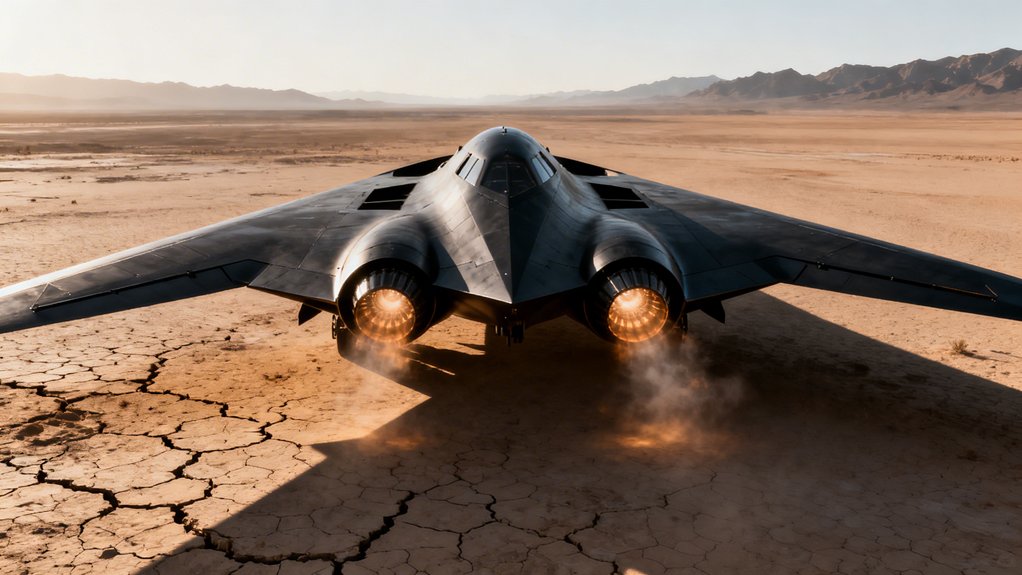
Although the Cold War erected rigid geopolitical barriers, the CIA dismantled them with a clandestine titanium operation that secured the SR-71 Blackbird‘s legacy. They didn’t just buy metal; they orchestrated a masterful deception.
While Moscow slept, American agents funneled funds through shadowy shell corporations to purchase the very ore needed to build the plane spying on them. It’s a stunning irony: the USSR funded its own surveillance.
American agents funneled funds through shell corporations, forcing the USSR to ironically fund its own surveillance.
The operation required meticulous planning to bypass strict export controls and hide the ultimate destination of the precious cargo. Consider these critical elements:
- Dummy firms masked the true buyer’s identity from Soviet officials.
- Complex routing obscured the titanium’s final arrival in California factories.
- Engineers transformed hostile metal into a shield against Mach 3 heat.
- Intelligence officers turned an adversary’s resource into a strategic advantage.
This covert supply chain didn’t just enable flight; it redefined aerial espionage. By turning the enemy’s strength into America’s wings, the CIA proved that ingenuity often outmaneuvers ideology, leaving a permanent mark on aerospace history.
Frequently Asked Questions
Did the Soviets Ever Discover They Supplied the Blackbird’s Titanium?
No, Moscow never realized they’d sold the skin for their own watcher. The CIA’s dummy firms masked the trail perfectly, letting Soviet factories ship titanium straight to the Blackbird’s frame.
While US engineers welded the metal into a Mach 3 spy plane, Soviet analysts remained blind to the irony. They supplied the very material that allowed America to surveil their secrets from the edge of space without ever knowing the truth.
How Many Shell Companies Did the CIA Create for Procurement?
The CIA didn’t just create one or two; they built an entire shadow empire of dummy corporations.
While the exact number remains classified, historians confirm they established a complex web of shell companies across Europe and Asia.
These fronts actively purchased tons of Soviet titanium, masking the true buyer.
They successfully fooled Moscow, ensuring the Blackbird’s skin came directly from the very enemy it was designed to spy upon.
Was the Purchased Soviet Titanium Ever Rejected for Quality Issues?
No, the Soviets never rejected their own titanium for quality issues.
The CIA’s shell companies bought the metal without raising Moscow’s suspicion.
Engineers then crafted the Blackbird’s skin from this very material.
It’s ironic that the USSR supplied the heat-resistant alloy allowing US spies to soar above them.
The metal held firm at Mach 3, proving the adversary’s own resources built the plane that watched them.
Which Specific Soviet Export Agency Sold the Metal to the CIA?
Like a ghost buying its own shroud, the CIA never faced one single Soviet export agency. Instead, they wove a tangled web of shell companies across Europe to mask their identity.
These dummy corporations quietly purchased the indispensable titanium from various state suppliers in Moscow.
The Soviets sold the metal willingly, completely unaware that their own industry was forging the wings of the bird destined to spy on them.
Did Other Nations Know About the Cia’s Covert Titanium Network?
No, other nations didn’t know about the CIA’s covert titanium network.
The agency’s shell companies operated with such secrecy that even allied governments remained unaware of the massive procurement scheme. Intelligence services globally missed how Washington secretly bought Soviet metal to build the Blackbird.
This deception held firm for decades, leaving the world blind to the irony that the USSR funded its own surveillance.
Final Thoughts
The CIA wove a ghostly net across the Iron Curtain, siphoning Soviet titanium like blood from a sleeping giant. Moscow unknowingly forged the very wings that would later pierce its sky, turning its own mineral wealth into America’s silver spear. This audacious alchemy transformed enemy ore into the Blackbird’s shimmering skin, proving that in the Cold War’s shadow dance, the sharpest blade was often hammered from the foe’s own anvil.